T cells tagged posts

Study: In patients with Long COVID, Immune cells don’t follow the rules

Kailin Yin speaking with Nadia Roan in the lab
Kailin Yin (left), a postdoctoral fellow in the Roan Lab and co-first author of the study, collaborates with Gladstone Senior Investigator Nadia Roan. Their study revealed unusual activity among certain immune cells in people with long COVID.

People with long COVID have dysfunctional immune cells that show signs of chronic inflammation and faulty movement into organs, among other unusual activity, according to a new study by scientists at Gladstone Institutes and UC San Francisco (UCSF).

The team analyzed immune cells and hundreds of different immune molecules in the blood of 43 people with and without long COVID...

Read More

Researchers Identify why Cancer Immunotherapy can cause Colitis

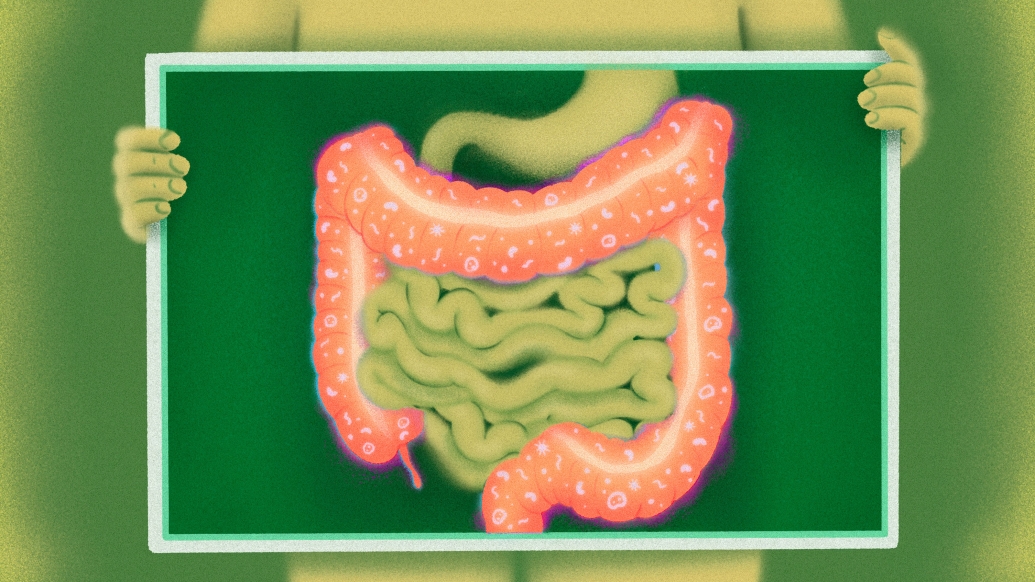
green background intestines in pink
Jacob Dwyer, Michigan Medicine

Researchers at the University of Michigan Health Rogel Cancer Center have identified a mechanism that causes severe gastrointestinal problems with immune-based cancer treatment.

They also found a way to deliver immunotherapy’s cancer-killing impact without the unwelcome side effect.

The findings are published in Science.

“This is a good example of how understanding a mechanism helps you to develop an alternative therapy that’s more beneficial. Once we identified the mechanism causing the colitis, we could then develop ways to overcome this problem and prevent colitis while preserving the anti-tumor effect,” said senior study author Gabriel Nunez, M.D., Paul de Kruif Professor of Pathology at Michigan Medicine.

Immunotherapy has emerged as a pr...

Read More

Allergy Study on ‘Dirty’ Mice Challenges the Hygiene Hypothesis

mice
Credit: CC0 Public Domain

The notion that some level of microbial exposure might reduce our risk of developing allergies has arisen over the last few decades and has been termed the hygiene hypothesis.

Now, an article published in Science Immunology by researchers from Karolinska Institutet challenges this hypothesis by showing that mice with high infectious exposures from birth have the same, if not an even greater ability to develop allergic immune responses than “clean” laboratory mice.

How microbes may prevent allergy has been a topic of great interest in recent times. Studies have suggested that certain infections might reduce the production of inflammatory antibodies to allergens and alter the behavior of T cells involved in allergies...

Read More

Why we Lose Fat and Muscle during Infection

Parasitic Trypanosoma brucei parasites (dark blue) among mouse blood cells (light blue and white).
Parasitic Trypanosoma brucei parasites (dark blue) among mouse blood cells (light blue and white).

Scientists discover role immune system’s T cells play in regulating fat and muscle loss during infection in mice. Scientists discovered that 1) the wasting response to T. brucei infection in mice occurs in two phases, each regulated by different immune cells and 2) fat loss did not benefit the fight against infection, but muscle loss did. The findings inform the development of more effective therapeutics that spare people from wasting and increase our understanding of how wasting influences survival and morbidity across infections, cancers, chronic illnesses, and more.

Although infections can present with many different symptoms, one common symptom is the loss of fat and muscle, a proc...

Read More