



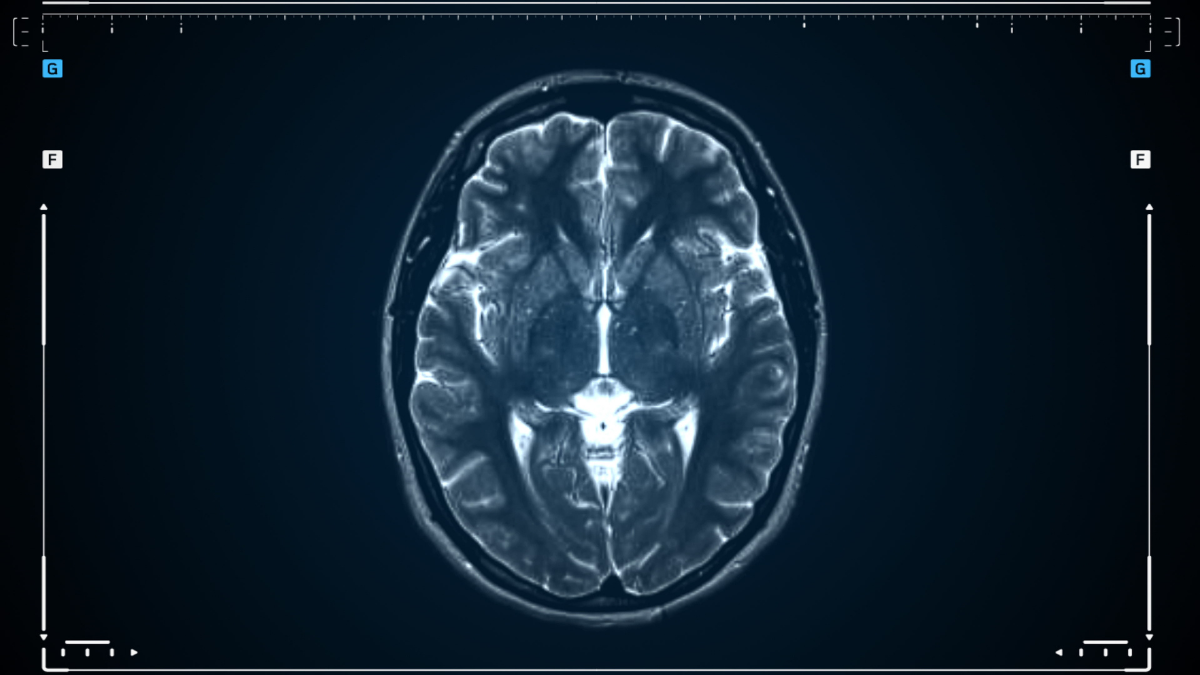
The neuroactive potential of bacteria living in the human gut is associated with levels of key chemicals in the brain, according to a new study published in Molecular Psychiatry. The research team from the University of Surrey and the University of Roehampton found that microbial pathways involved in producing and breaking down neuroactive compounds were associated with levels of GABA and glutamate in specific regions of the human brain.
GABA and glutamate are two of the brain’s most important chemical messengers. GABA predominantly dampens neural activity, while glutamate promotes excitation. The balance between them, known as excitatory/inhibitory (or E/I balance), plays an important role in neuroplasticity (the brain’s ability to change, grow and reorganize itself by forming new neural connections), cognition and mental health.
Much of the evidence linking the gut microbiome with these brain systems has until now come from animal and preclinical research.
Testing gut genes against brain chemistry
The team investigated 61 healthy young women ages 17–25. Researchers used proton magnetic resonance spectroscopy (a noninvasive brain imaging technique) to measure GABA and glutamate in three brain regions.
Stool samples were also analyzed using shotgun metagenomic sequencing to identify the genetic capacity of participants’ gut microbes to carry out metabolic processes involving GABA, glutamate, short-chain fatty acids and other neuroactive compounds.
The researchers found that the relationship between the gut microbiome and brain chemistry was not uniform across the brain. Instead, different microbial pathways were associated with GABA, glutamate and E/I balance in different brain regions.
Different regions, different microbial links
Surprisingly, the inferior occipital gyrus (a visual-processing region included in the study as a comparison area) showed the broadest range of associations with microbial pathways. These included pathways involved in glutamate degradation, GABA metabolism, short-chain fatty acids, inositol and p-cresol.
The anterior cingulate cortex (a region involved in attention, cognitive control and emotional regulation) showed a distinct pattern involving microbial glutamate and propionate pathways. The dorsolateral prefrontal cortex, which is involved in cognitive control and emotion regulation, showed a more selective association involving a microbial GABA-production pathway.
“For years, much of what we have known about the microbiome and brain chemistry has come from animal studies. What is exciting here is that we can look at the gut microbiome and brain chemistry in the same living people and see that the neuroactive potential of the microbiome is related to the chemical balance of specific regions of the brain.
“The fact that different brain regions showed different relationships is particularly interesting. It suggests that the gut–brain axis is not one simple pathway acting uniformly across the brain. We are seeing a much more regionally specific picture, which gives us biological pathways that we can now investigate much more closely,” said Professor Kathrin Cohen Kadosh, professor of developmental cognitive neuroscience and associate dean of the Doctoral College FHMS.
Links to anxiety, mood and sleep
The research team also explored whether the same microbial pathways were related to psychological well-being.
They found associations between specific gut microbial pathways and self-reported anxiety, depressive symptoms and sleep quality. A GABA-related microbial pathway was associated with trait and social anxiety, while pathways involved in tryptophan metabolism were associated with depressive symptoms and social anxiety. A pathway involved in producing the short-chain fatty acid propionate was also associated with poorer sleep quality.
“What makes this study particularly interesting is that we were able to connect information at several different levels—microbial genes in the gut, neurochemistry in the brain and psychological measures in the same participants.
“We are not saying that a particular gut bacterium causes anxiety or changes a particular brain chemical. But these results give us much more specific clues about which microbial functions may be relevant to gut–brain communication and where in the brain those relationships may be expressed,” said Dr. Nicola Johnstone, research fellow.
Association signals, not direct proof
The researchers stress that the findings show associations rather than cause and effect. The study was cross-sectional, meaning the researchers cannot determine whether differences in the gut microbiome influence brain chemistry, whether brain and behavioral factors influence the gut, or whether other biological processes affect both.
The study also measured the genetic potential of the gut microbiome to perform particular metabolic functions rather than directly measuring the metabolites produced by the bacteria.
“We do not think the explanation is simply that bacteria in the gut produce a neurotransmitter which then travels directly into the brain. The biology is likely to be much more interesting than that.
“Gut microbes could influence the brain indirectly through several routes, including the vagus nerve, immune signaling, the intestinal barrier and other metabolites produced in the gut. Our findings help narrow down the microbial pathways that should now be tested experimentally.
“The next question is whether changing these pathways can actually alter brain chemistry. That will require larger longitudinal and intervention studies, but we now have specific biological targets to pursue,” Cohen Kadosh said. https://www.surrey.ac.uk/news/gut-bacteria-linked-key-brain-chemicals-first-its-kind-human-study



Recent Comments