Category Astronomy/Space

The Collective Power of the Solar System’s Dark, Icy Bodies

Image:
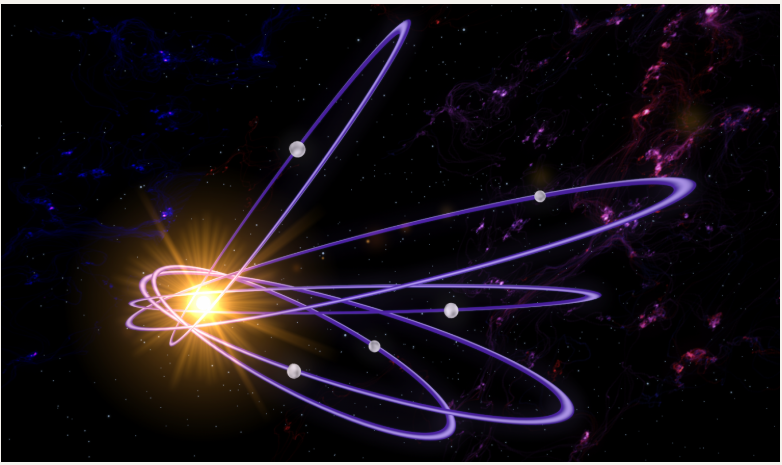
Scientists have long struggled to explain the existence of the solar system’s “detached objects,” which have orbits that tilt like seesaws and often cluster in one part of the night sky. (Credit: Steven Burrows/JILA)

Two new studies by researchers at the University of Colorado Boulder may help to solve one of the biggest mysteries about the dark, icy bodies of the outer solar system: why so many of them don’t circle the sun the way they should.

The outermost reaches of our solar system are a strange place – filled with dark and icy bodies with nicknames like Sedna, Biden and The Goblin, each of which span several hundred miles across.

The orbits of these planetary oddities, which scientists call “detached objects,” tilt and buckle out of the plane of the solar system, amon...

Read More
Dying Stars Breathe Life into Earth: Study

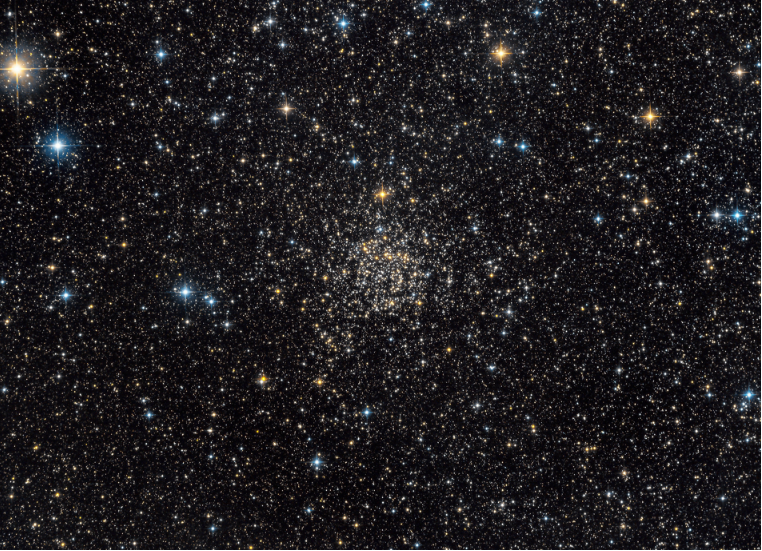
NGC 7789, also known as Caroline’s Rose, is an old open star cluster of the Milky Way, which lies about 8,000 light-years away toward the constellation Cassiopeia. It hosts a few White Dwarfs of unusually high mass, analyzed in this study.
Credit: Guillaume Seigneuret and NASA

As dying stars take their final few breaths of life, they gently sprinkle their ashes into the cosmos through the magnificent planetary nebulae. These ashes, spread via stellar winds, are enriched with many different chemical elements, including carbon.

Findings from a study published today in Nature Astronomy show that the final breaths of these dying stars, called white dwarfs, shed light on carbon’s origin in the Milky Way.

“The findings pose new, stringent constraints on how and when carbon was produce...

Read More

The Fastest-Growing Black Hole in the Universe has a Massive Appetite

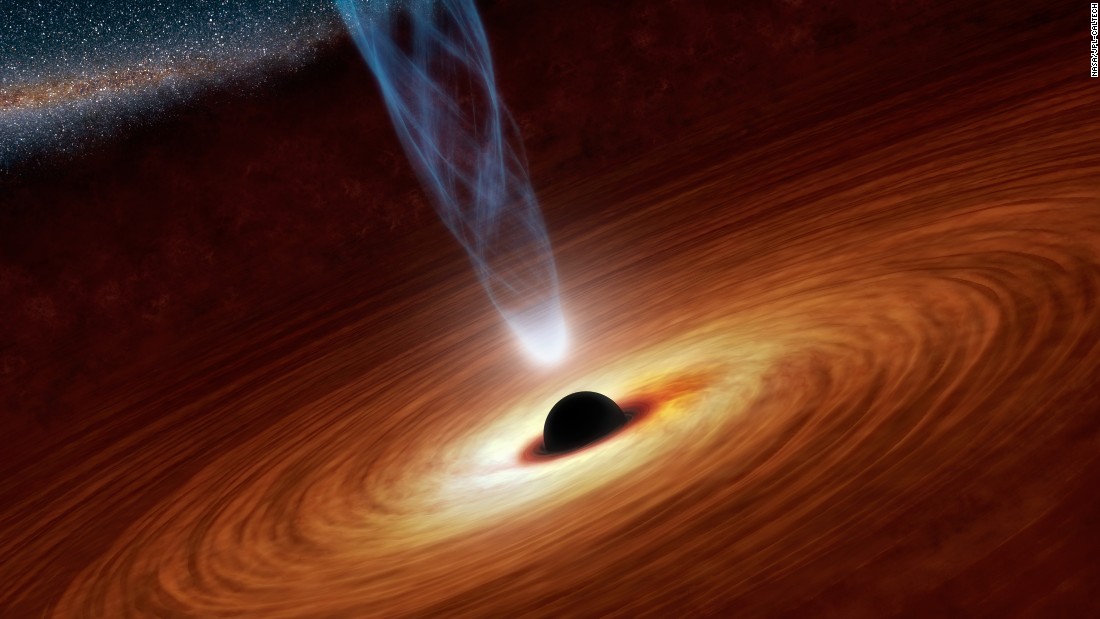
Black hole that is the fastest-growing has a massive appetite - CNN

The fastest-growing black hole in the universe is 34 billion times the mass of our sun and feasts on a meal the equivalent of our sun each day, according to a new study.

This massive, hungry black hole was first identified and studied by researchers in May 2018. Previously, they believed it consumed the mass equivalent to our sun every two days. Now, they have a better understanding of this monster black hole and its gluttonous behavior.

The black hole is known as J2157 and exists more than 12 billion light-years back in the distant universe. Astronomers are trying to understand how such massive black holes could evolve during the early days of the universe. The researchers continue to search for more massive black holes like this one to understand how they have grown.

“It’s ...

Read More

Higher Concentration of Metal in Moon’s Craters provides new Insights to its Origin

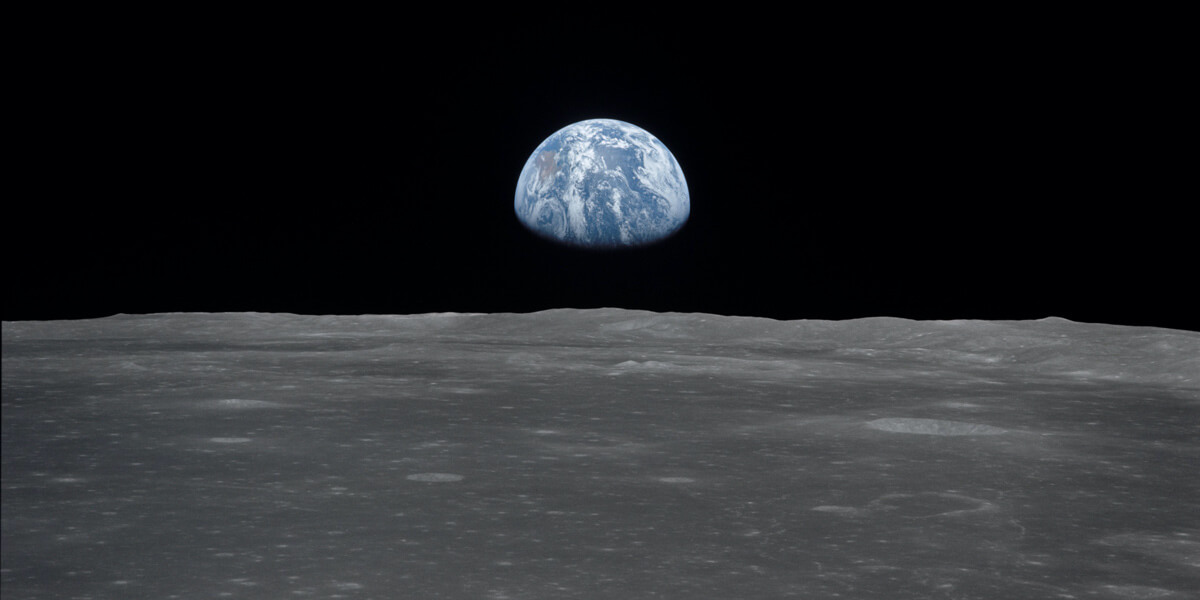
APOLLO 11 MISSION IMAGE – VIEW OF MOON LIMB, WITH EARTH ON THE HORIZON (PHOTO CREDIT: NASA)

New observations could challenge previous theories of how the Moon was formed. The popular hypothesis contends that the Moon was formed by a Mars-sized body colliding with Earth’s upper crust which is poor in metals. But new research suggests the Moon’s subsurface is more metal-rich than previously thought, providing new insights that could challenge our understanding of that process.

Life on Earth would not be possible without the Moon; it keeps our planet’s axis of rotation stable, which controls seasons and regulates our climate. However, there has been considerable debate over how the Moon was formed...

Read More