


Category Chemistry/Nanotechnology
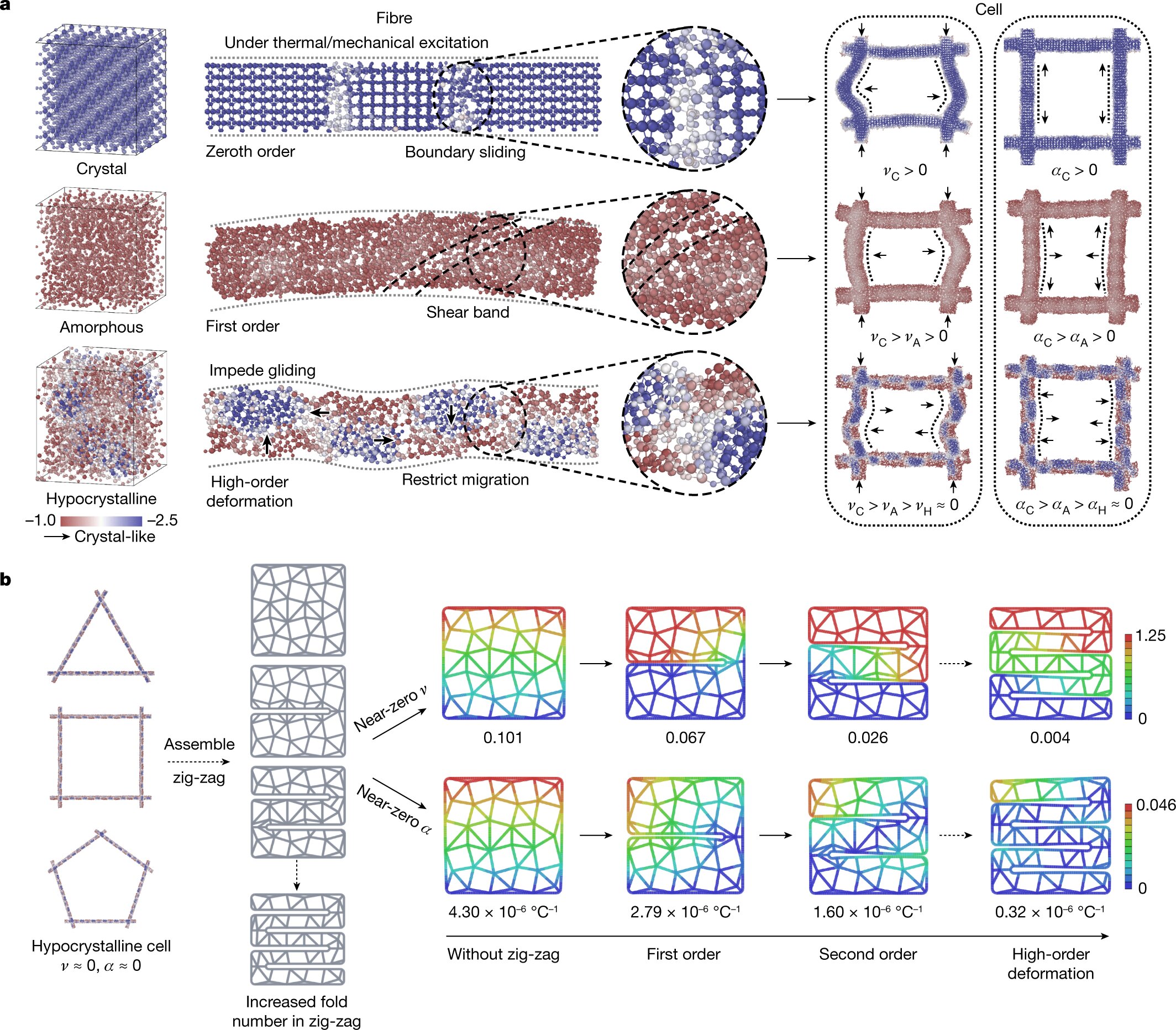
A Ceramic Aerogel made with Nanocrystals and Embedded in a Matrix for use in Thermal Insulation Applications
July 5, 2022,
 Physics, Chemistry/Nanotechnology

EPFL scientists have developed a new, PET-like plastic that is easily made from the – parts of . The plastic is tough, heat-resistant, and a good barrier to gases like oxygen, making it a promising candidate for food packaging. Due to its structure, the new plastic can also be chemically recycled and degrade back to harmless in the environment.
It is becoming increasingly obvious that moving away from fossil fuels and avoiding the accumulation of plastics in the environment are key to addressing the challenge of climate change. In that vein, there are considerable efforts to develop degradable or recyclable polymers made from non-edible plant material referred to as “lignocellulosic biomass.”
Of course, producing competitive biomass-based plastics is not straightforward...
Read More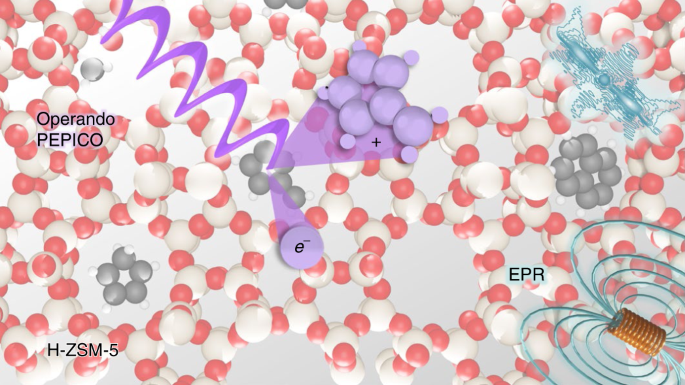
Methanol, produced from carbon dioxide in the air, can be used to make carbon neutral fuels. But to do this, the mechanism by which methanol is turned into liquid hydrocarbons must be better understood so that the catalytic process can be optimised. Now, using sophisticated analytical techniques, researchers from ETH Zürich and Paul Scherrer Institute have gained unprecedented insight into this complex mechanism.
As we struggle to juggle the impact of emissions with our desire to maintain our energy hungry lifestyle, using carbon dioxide in the atmosphere to create new fuels is an exciting, carbon neutral alternative...
Read MoreElectrically Conductive Paints and other Polymer Alloys now produced easily
June 22, 2022,
Chemistry/Nanotechnology
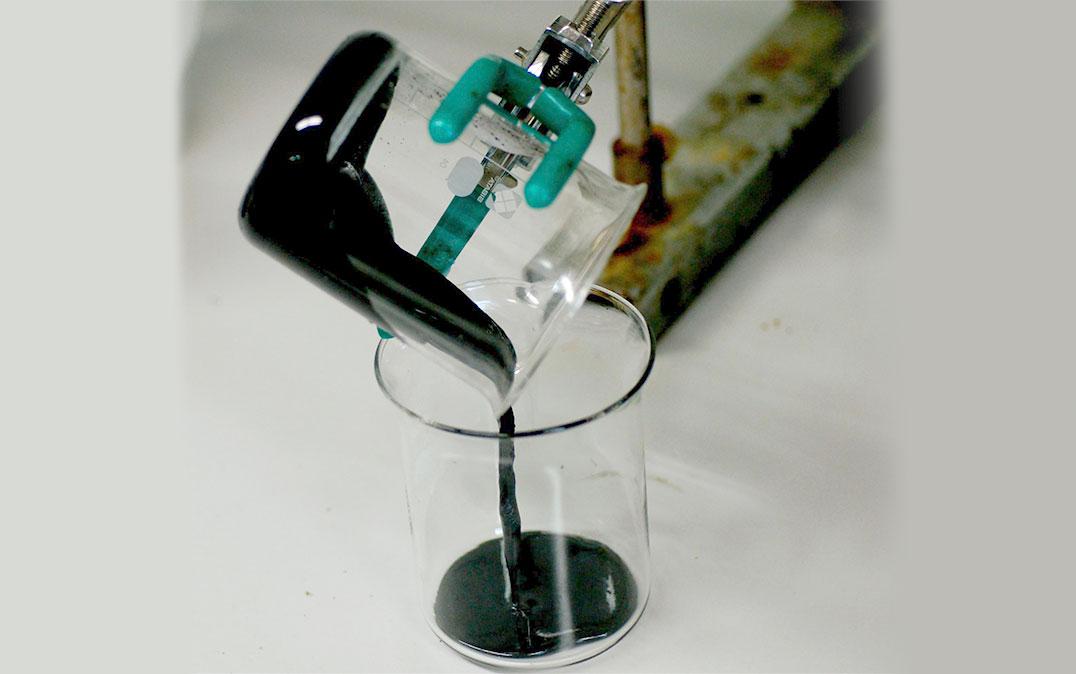
Researchers have synthesized electrically conductive polyaniline polymer in common organic solvents. A small quantity of added iodine facilitates the radical chain reaction that is critical to polymer synthesis. This protocol will facilitate processing of polyaniline in printed circuit boards, electrically conductive paints, and other advanced technologies, in a cheap and versatile manner.
Medical devices, cars, and many advanced technologies contain innumerable delicate components that are held together by electrically conductive polymers, such as polyanil...
Read More
Recent Comments