Category Health/Medical

New Bile Discovery will Rewrite Textbooks

Robert Quinn, assistant professor of biochemistry and molecular biology and Global Impact researcher.

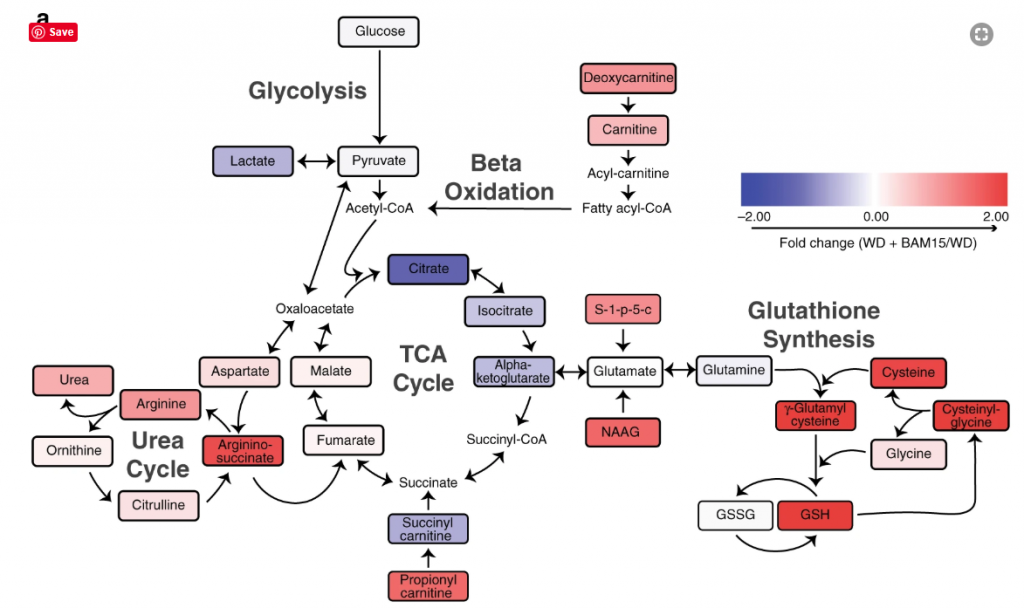
Forget what you know about bile because that’s about to change, thanks to a new discovery made by Michigan State University and published in the current issue of Nature.

Much of our knowledge about bile hasn’t changed in many decades. It’s produced in the liver, stored in our gall bladder and injected into our intestine when we eat, where it breaks down fats in our gut. In fact, the first bile acid was discovered in 1848, and the scientists who revealed the structure of bile acids in 1928 won the Nobel Prize. That’s a long time ago.

“Since then, our understanding of the chemistry of bile production in the liver was that the cholesterol backbone of the bile acid structure is lin...

Read More

New study allows Brain and Artificial Neurons to Link up over the Web

Virtual Lab

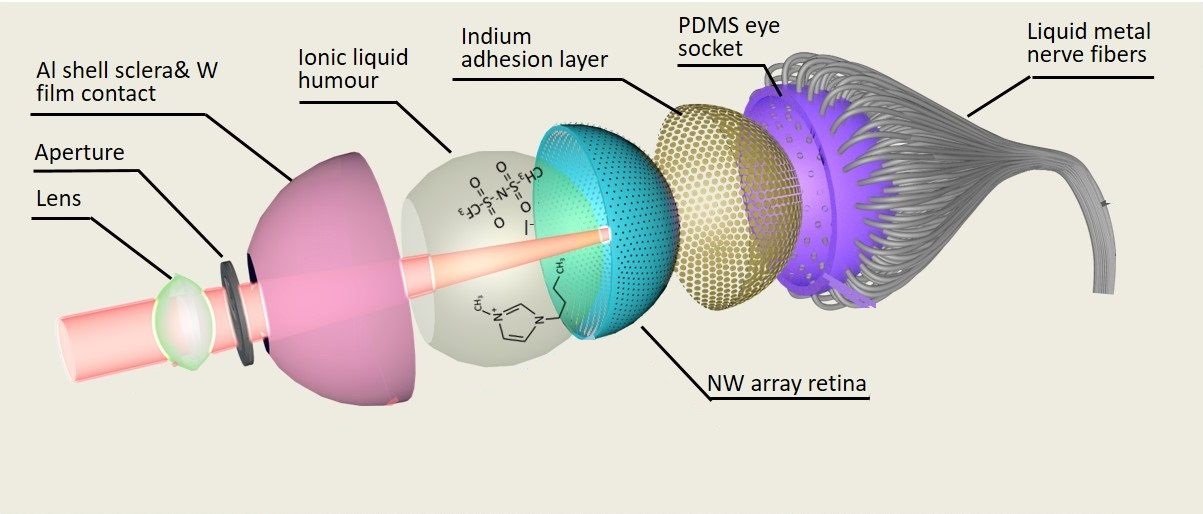
Research on novel nanoelectronics devices has enabled brain neurons and artificial neurons to communicate with each other over the Internet. Brain functions are made possible by circuits of spiking neurons, connected together by microscopic, but highly complex links called synapses. In this new study, published in the scientific journal Nature Scientific Reports, the scientists created a hybrid neural network where biological and artificial neurons in different parts of the world were able to communicate with each other over the internet through a hub of artificial synapses made using cutting-edge nanotechnology. This is the first time the three components have come together in a unified network.

During the study, researchers based at the University of Padova in Italy cultivate...

Read More

Ulcerative Colitis linked to missing Gut Microbes

Credit: CC0 Public Domain

About 1 million people in the United States have ulcerative colitis, a serious disease of the colon that has no cure and whose cause is obscure. Now, a study by Stanford University School of Medicine investigators has tied the condition to a missing microbe.

The microbe makes metabolites that help keep the gut healthy. “This study helps us to better understand the disease,” said Aida Habtezion, MD, associate professor of gastroenterology and hepatology. “We hope it also leads to our being able to treat it with a naturally produced metabolite that’s already present in high amounts in a healthy gut.”

When the researchers compared two groups of patients – one group with ulcerative colitis, the other group with a rare noninflammatory condition – who had un...

Read More

Study of 418,000 Europeans finds Different Foods linked to Different Types of Stroke

This is the largest study on multiple dietary factors and subtypes of stroke. Ischaemic and haemorrhagic stroke have markedly different patterns of dietary associations. For ischaemic stroke, lower risks were associated with higher consumption of dietary fibre, fruit and vegetables, and dairy foods. For haemorrhagic stroke, higher risk was associated with higher egg consumption. The results highlight the importance of examining stroke subtypes separately.

Different types of food are linked to risks of different types of stroke, according to the largest study to investigate this, published in the European Heart Journal today (Monday).

Until now, most studies have looked at the association between food and total stroke (all types of stroke combined), or focused on ischaemic stroke o...

Read More