Category Health/Medical

Origins of Immune System Mapped, opening doors for new Cancer Immunotherapies

Section of a developing human thymus. The scale bar represents 1mm
Kenny Roberts, Bayraktar lab, Wellcome Sanger Institute

Cell atlas of human thymus could help engineer improved therapeutic T cells. A first cell atlas of the human thymus gland could lead to new immune therapies to treat cancer and autoimmune diseases. Researchers from the Wellcome Sanger Institute, Newcastle University and Ghent University, Belgium, mapped thymus tissue through the human lifespan to understand how it develops and makes vital immune cells called T cells. In the future, this information could help researchers to generate an artificial thymus and engineer improved therapeutic T cells.

Published today (20 February) in Science, this human thymus atlas has revealed new cell types and identified signals that tell immature immune cells how to develop into T cells...

Read More

Artificial Intelligence yields new Antibiotic

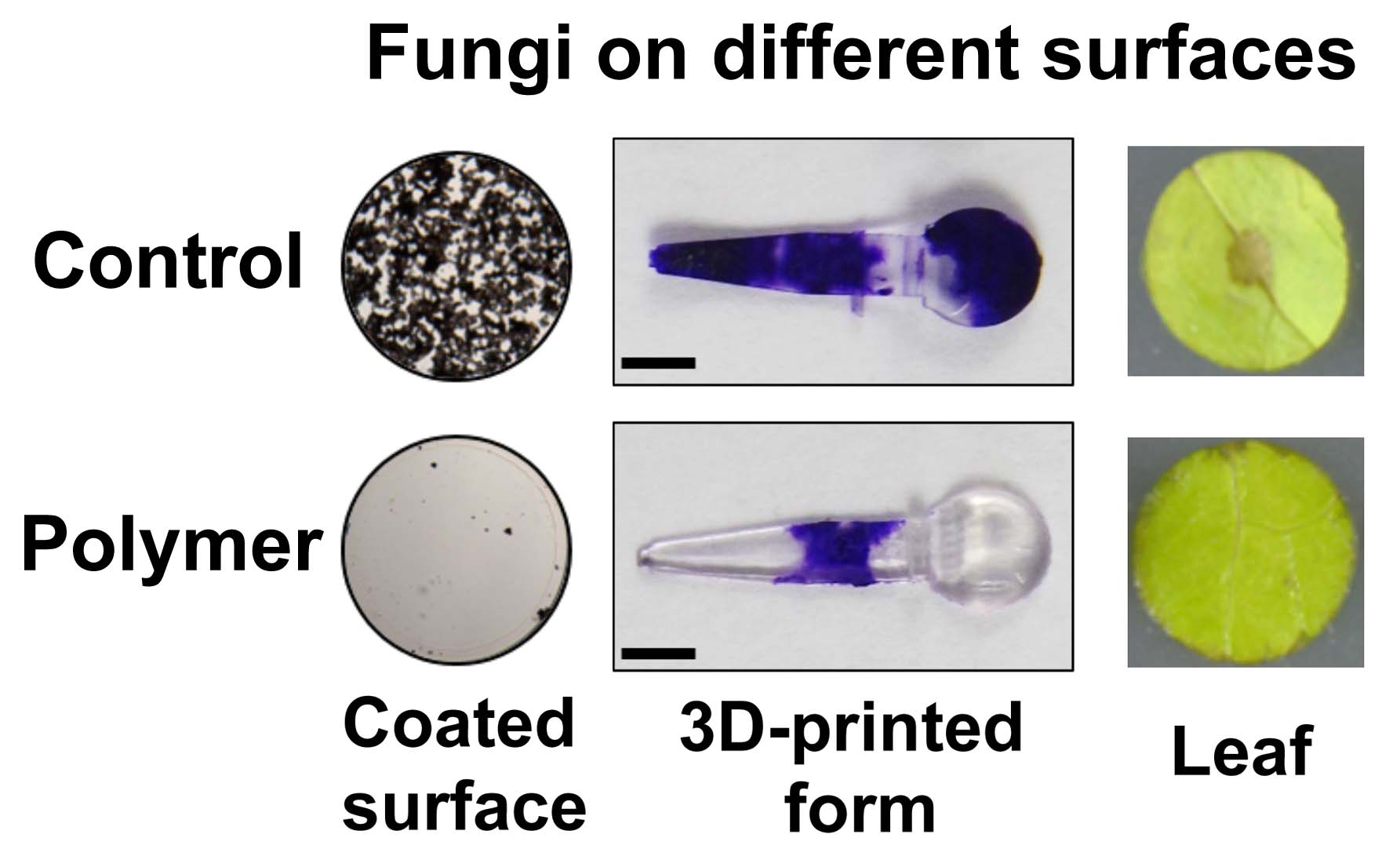
MIT researchers used a machine-learning algorithm to identify a drug called halicin that kills many strains of bacteria. Halicin (top row) prevented the development of antibiotic resistance in E. coli, while ciprofloxacin (bottom row) did not.

Image: courtesy of the Collins Lab at MIT

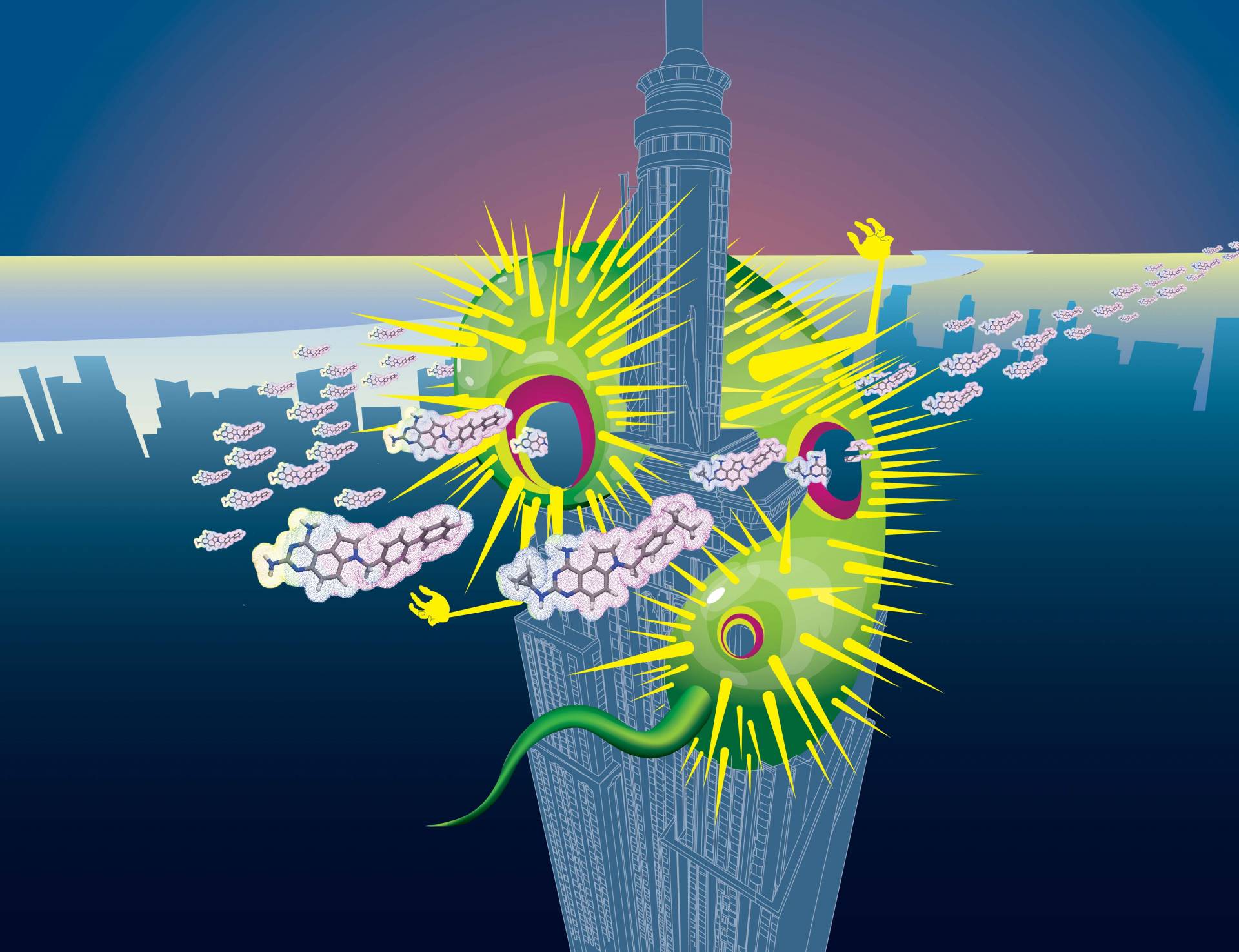
A deep-learning model identifies a powerful new drug that can kill many species of antibiotic-resistant bacteria

Using a machine-learning algorithm, MIT researchers have identified a powerful new antibiotic compound. In laboratory tests, the drug killed many of the world’s most problematic disease-causing bacteria, including some strains that are resistant to all known antibiotics. It also cleared infections in two different mouse models.

The computer model, which can screen more than a hundr...

Read More

Surgeons successfully Treat Brain Aneurysms using a Robot

Image result for Surgeons successfully Treat Brain Aneurysms using a Robot
Dr. Vitor Mendes Pereira views images from remote control stent placement for a brain aneurysm. Credit: Roger Boyle

A robot was used to treat brain aneurysms for the first time. The robotic system could eventually allow remote surgery, enabling surgeons to treat strokes from afar. Using a robot to treat brain aneurysms is feasible and could allow for improved precision when placing stents, coils and other devices, according to late breaking science presented today at the American Stroke Association’s International Stroke Conference 2020 . The conference, Feb. 19-21 in Los Angeles, is a world premier meeting for researchers and clinicians dedicated to the science of stroke and brain health.

Robotic technology is used in surgery and cardiology, but not for brain vascular procedures...

Read More

Magnet-controlled Bioelectronic Implant could relieve Pain

Rice introduced the first neural implant that can be programmed and charged remotely with a magnetic field at the International Solid-State Circuits Conference. (Credit: Secure and Intelligent Micro-Systems Lab/Rice University)

Engineer’s MagNI can be wirelessly charged and programmed with magnetic fields

A team of Rice University engineers has introduced the first neural implant that can be both programmed and charged remotely with a magnetic field. Their breakthrough may make possible embedded devices like a spinal cord-stimulating unit with a battery-powered magnetic transmitter on a wearable belt.

The integrated microsystem, called MagNI (for magnetoelectric neural implant), incorporates magnetoelectric transducers...

Read More