Category Physics

New Tech Solves Longstanding Challenges for Self-healing Materials

image shows blue piping (thermoplastic) embedded in a black carbon fiber mesh
3D printed thermoplastic on woven-carbon fiber reinforcement.

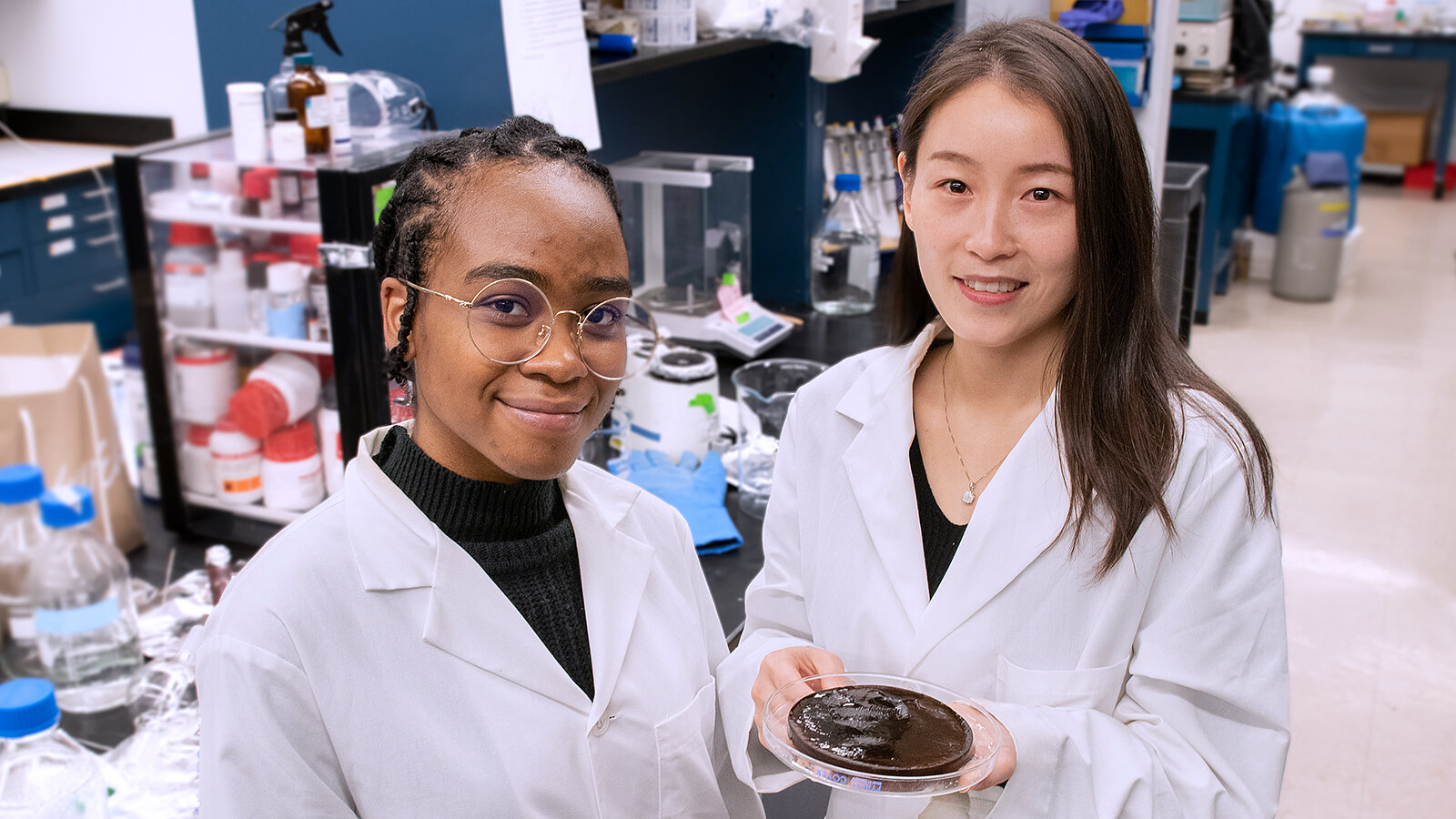
Engineering researchers have developed a new self-healing composite that allows structures to repair themselves in place, without having to be removed from service. This latest technology resolves two longstanding challenges for self-healing materials, and can significantly extend the lifespan of structural components such as wind-turbine blades and aircraft wings.

“Researchers have developed a variety of self-healing materials, but previous strategies for self-healing composites have faced two practical challenges,” says Jason Patrick, corresponding author of the research paper and an assistant professor of civil, construction and environmental engineering at North Carolina State University.

“First, the materials ofte...

Read More

“Grätzel” Solar Cells achieve a New Record

Grätzel cells installed at the SwissTech Convention Center (credit: Alain Herzog)
Scientists at EPFL have increased the power conversion efficiency of dye-sensitized solar cells (“Grätzel cells”) beyond 15% in direct sunlight and 30% in ambient light conditions.

Mesoscopic dye-sensitized solar cells (DSCs) were invented in 1990s by Brian O’Regan and Michael Grätzel, taking on the latter’s name – the world-famous Grätzel cells. DSCs convert light into electricity through photosensitizers – dye compounds that absorb light and inject electrons into an array of oxide nanocrystals which subsequently are collected as electric current.

In DSCs, photosensitizers are attached (“adsorbed”) to the surface of nanocrystalline mesoporous titanium dioxide films that are imbibed with redox active electrolytes or a solid charge-transport material – the entire design aims...

Read More

Scientists discover Exotic Quantum State at Room Temperature

Quantum Hall effect

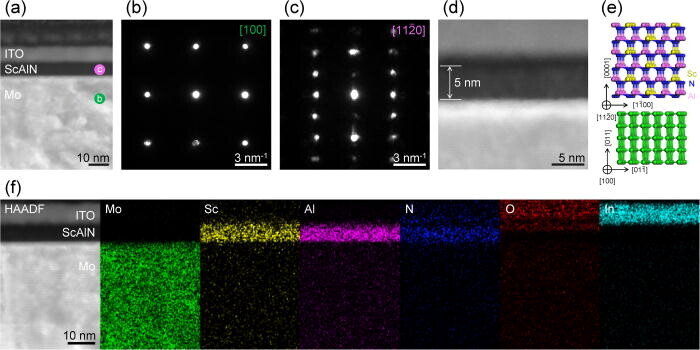
For the first time, physicists have observed novel quantum effects in a topological insulator at room temperature. This breakthrough, published as the cover article of the October issue of Nature Materials, came when Princeton scientists explored a topological material based on the element bismuth.

The scientists have used topological insulators to demonstrate quantum effects for more than a decade, but this experiment is the first time these effects have been observed at room temperature. Typically, inducing and observing quantum states in topological insulators requires temperatures around absolute zero, which is equal to -459 degrees Fahrenheit (or -273 degrees Celsius).

This finding opens up a new range of possibilities for the development of efficient quantum technologies, ...

Read More

T2CI GAN: A Deep Learning Model that Generates Compressed Images from Text

T2CI GAN: A deep learning model that generates compressed images from text
The significance of applying the simple transformation on JPEG Compressed DCT images. Credit: Rajesh et al.

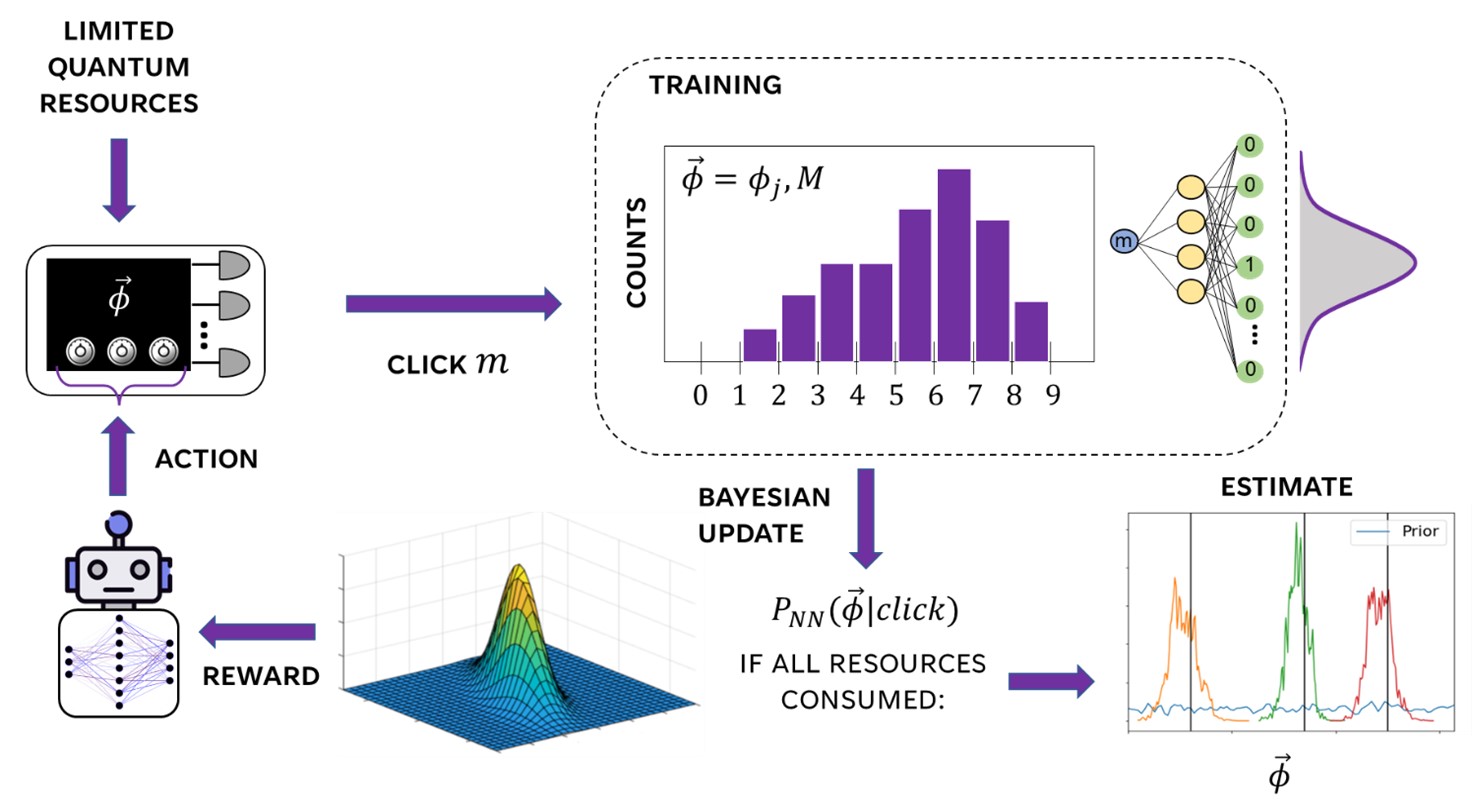
Generative adversarial networks (GANs), a class of machine learning frameworks that can generate new texts, images, videos, and voice recordings, have been found to be highly valuable for tackling numerous real-world problems. For instance, GANs have been successfully used to generate image datasets to train other deep learning algorithms, to generate videos or animations for specific uses, and to create suitable captions for images.

Researchers at the Computer Vision and Biometrics Lab of IIT Allahabad and Vignan University in India have recently developed a new GAN-based model that can generate compressed images from text-based descriptions...

Read More