Category Physics

Transparent Graphene Electrodes might lead to New Generation of Solar Cells

A new manufacturing process for graphene is based on using an intermediate carrier layer of material after the graphene is laid down through a vapor deposition process. The carrier allows the ultrathin graphene sheet, less than a nanometer (billionth of a meter) thick, to be easily lifted off from a substrate, allowing for rapid roll-to-roll manufacturing. These figures show this process for making graphene sheets, along with a photo of the proof-of-concept device used (b).
Courtesy of the researchers

Engineers have synthesized a tiny structure with high surface area and discovered how its unique architecture drives ions across interfaces to transport energy or information...

Read More

Scientists Apply Revolutionary 30 Year-Old Principle and Find Black Holes Could Be Like Holograms

What researchers have done is apply the theory of the holographic principle to black holes. In this way, their mysterious thermodynamic properties have become more understandable: focusing on predicting that these bodies have a great entropy and observing them in terms of quantum mechanics, you can describe them just like a hologram: they have two dimensions, in which gravity disappears, but they reproduce an object in three dimensions.

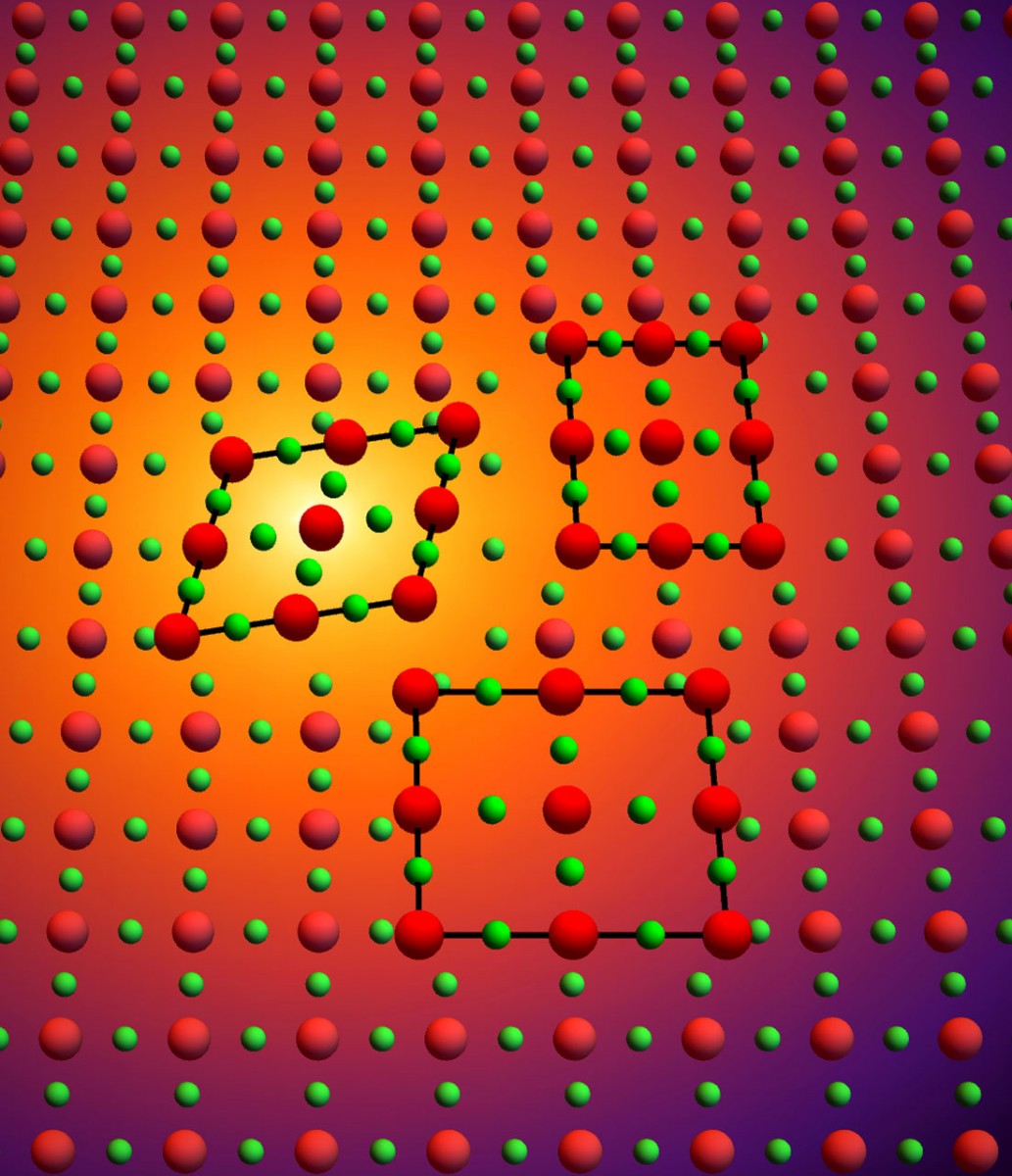
According to new research, black holes could be like a hologram, where all the information is amassed in a 2D surface able to reproduce a 3D image.

We can all picture that incredible image of a black hole that traveled around the world about a year ago...

Read More

A System for the Nonreciprocal Transmission of Microwave Acoustic Waves

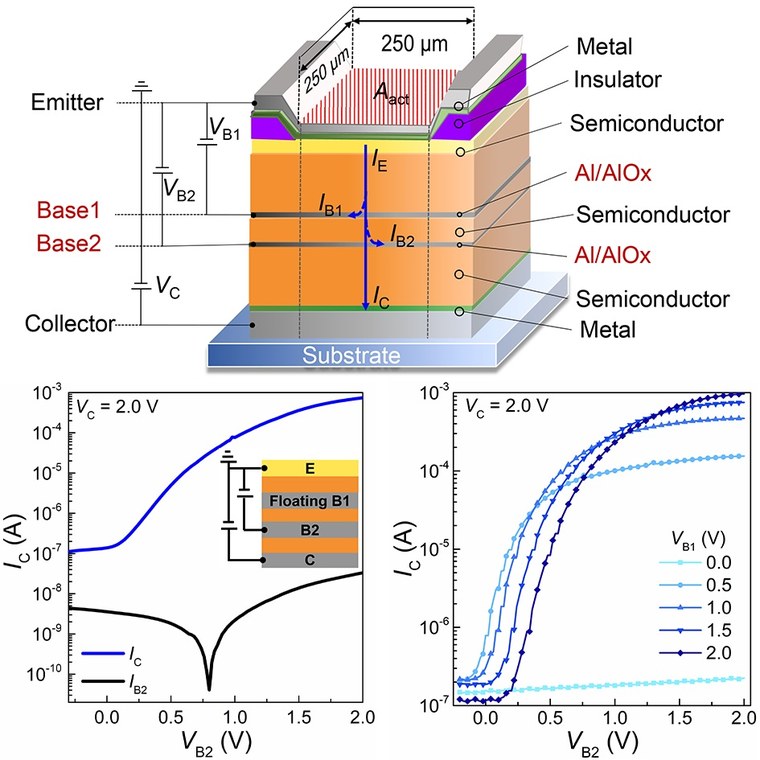
Rendered image of the device developed by the researchers. Credit: Shao et al.

Acoustic waves have been found to be highly versatile and promising carriers of information between chip-based electronic devices. This characteristic is ideal for the development of a number of electronic components, including microwave filters and transducers.

In the past, some researchers have tried to build devices in which waves are transmitted between two ports in a non-symmetric way. These are known as nonreciprocal devices. These devices could be particularly promising for the manipulation and routing of phonons, quasiparticles associated with acoustic waves...

Read More

Solar Hydrogen production: Splitting Water with UV is now at almost 100% Quantum Efficiency

Photocatalytic water splitting with a quantum efficiency of almost unity
Authors:Tsuyoshi Takata, Junzhe Jiang, Yoshihisa Sakata, Mamiko Nakabayashi, Naoya Shibata, Vikas Nandal, Kazuhiko Seki, Takashi Hisatomi, Kazunari Domen
Journal:Nature, 581, 411-414 (2020)
DOI10.1038/s41586-020-2278-9

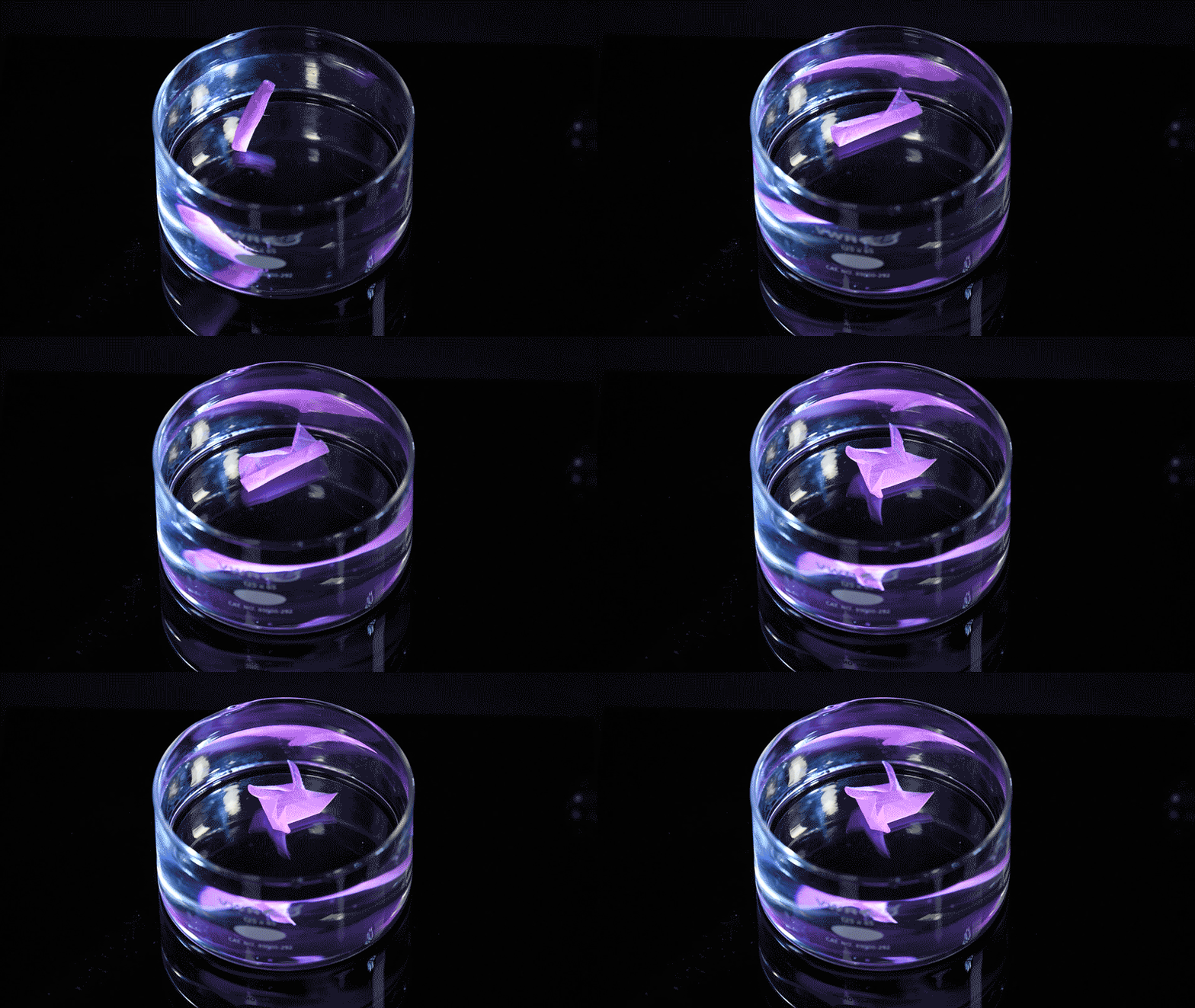
Scientists have successfully split water into hydrogen and oxygen using light and meticulously designed catalysts, and they did so at the maximum efficiency meaning there was almost no loss and undesired side reactions. This latest breakthrough in solar hydrogen production makes the likelihood of scalable, economically viable hydrogen production more than likely, paving the way for humanity to make the switch to clean energy.

Pour yourself a glass of water and take a look at it...

Read More