Category Technology/Electronics

Approaching the Terahertz Regime

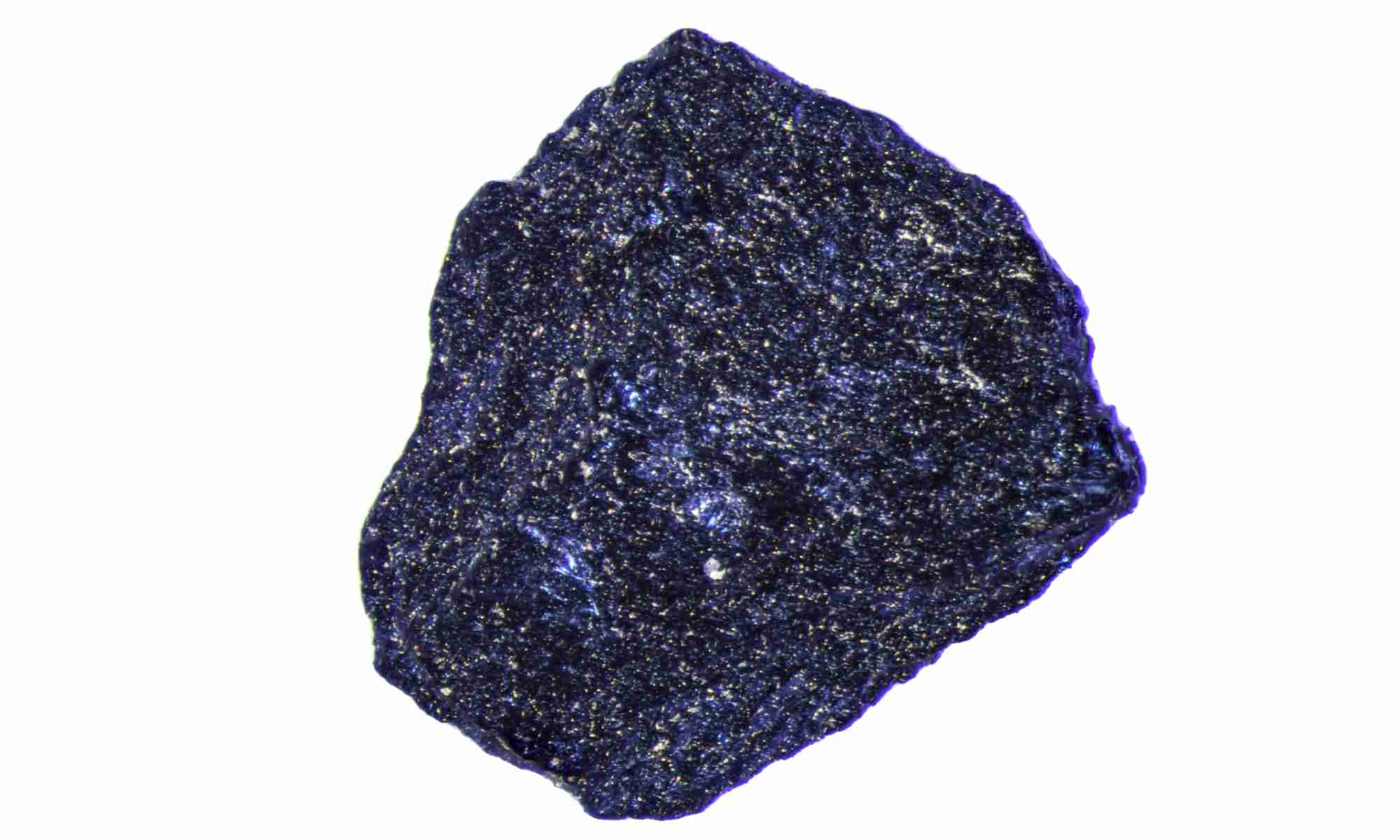
(Left) A chaotic greyscale rectangle. (Right) Isometric view of colored layers sandwiched together.
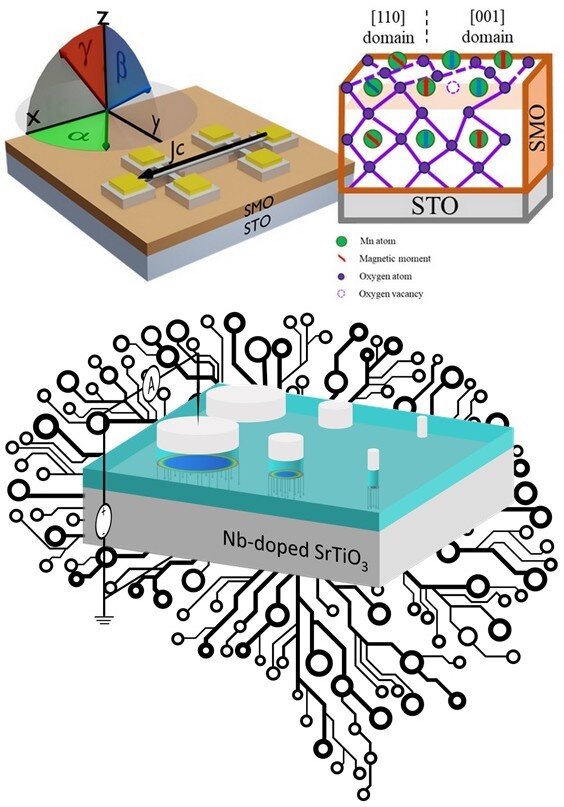
Antiferromagnetic tunneling junction. High-resolution transmission electron microscopy image of the antiferromagnetic junction showing layers of different materials (left). Diagram showing the materials’ magnetic properties (right). ©2023 Nakatsuji et al. CC-BY

Room temperature quantum magnets switch states trillions of times per second. A class of nonvolatile memory devices, called MRAM, based on quantum magnetic materials, can offer a thousandfold performance beyond current state-of-the-art memory devices. The materials known as antiferromagnets were previously demonstrated to store stable memory states, but were difficult to read from. This new study paves an efficient way for reading the memory states, with the potential to do so incredibly quickly too.

You can probably blink...

Read More

Engineers Grow ‘Perfect’ Atom-Thin Materials on Industrial Silicon Wafers

A pink wafer has square holes in a grid. The wafer is repeated 3 times. On top left, green and white atoms randomly float around the wafer. In the middle, the atoms line up inside the square holes in triangular formations. On the right, a closeup shows the perfectly lined-up rows of atoms.
Caption:By depositing atoms on a wafer coated in a “mask” (top left), MIT engineers can corral the atoms in the mask’s individual pockets (center middle), and encourage the atoms to grow into perfect, 2D, single-crystalline layers (bottom right).
Credits:Courtesy of the researchers. Edited by MIT News.

Their technique could allow chip manufacturers to produce next generation transistors based on materials other than silicon. Engineers fabricated 2D materials that could lead to next-generation transistors and electronic films.

True to Moore’s Law, the number of transistors on a microchip has doubled every year since the 1960s...

Read More

Scientists use Laser to Guide Lightning Bolt for First Time

Deflecting lightning with a laser lightning rod

Scientists said Monday they have used a laser beam to guide lightning for the first time, hoping the technique will help protect against deadly bolts—and one day maybe even trigger them.

Lightning strikes between 40-120 times a second worldwide, killing more than 4,000 people and causing billions of dollars worth of damage every year.

Yet the main protection against these bolts from above is still the humble lightning rod, which was first conceived by American polymath Benjamin Franklin in 1749.

A team of scientists from six research institutions have been working for years to use the same idea but replace the simple metal pole with a far more sophisticated and precise laser.

Now, in a study published in the journal Nature Photonics, they describe using a laser beam—shot...

Read More

Screen-Printing Method can make Wearable Electronics Less Expensive

A blue-gloved hand holding a clear sheet containing 12 small, golden square electrode patterns.
A set of screen-printed electrodes

A new study demonstrates that electrodes can be made using just screen printing, creating a stretchable, durable circuit pattern that can be transferred to fabric and worn directly on human skin. Such wearable electronics can be used for health monitoring in hospitals or at home. Current commercial manufacturing of wearable electronics requires expensive processes involving clean rooms. While some use screen printing for parts of the process, this new method relies wholly on screen printing, which can make manufacturing flexible, wearable electronics much easier and less expensive.

The glittering, serpentine structures that power wearable electronics can be created with the same technology used to print rock concert t-shirts, new research shows.

...Read More