Category Technology/Electronics

Researchers discover Predictable Behavior in Promising Material for Computer Memory

Research findings recently featured on the cover of the journal Advanced Electronic Materials.
Nov 01, 2021 — Atlanta, GA

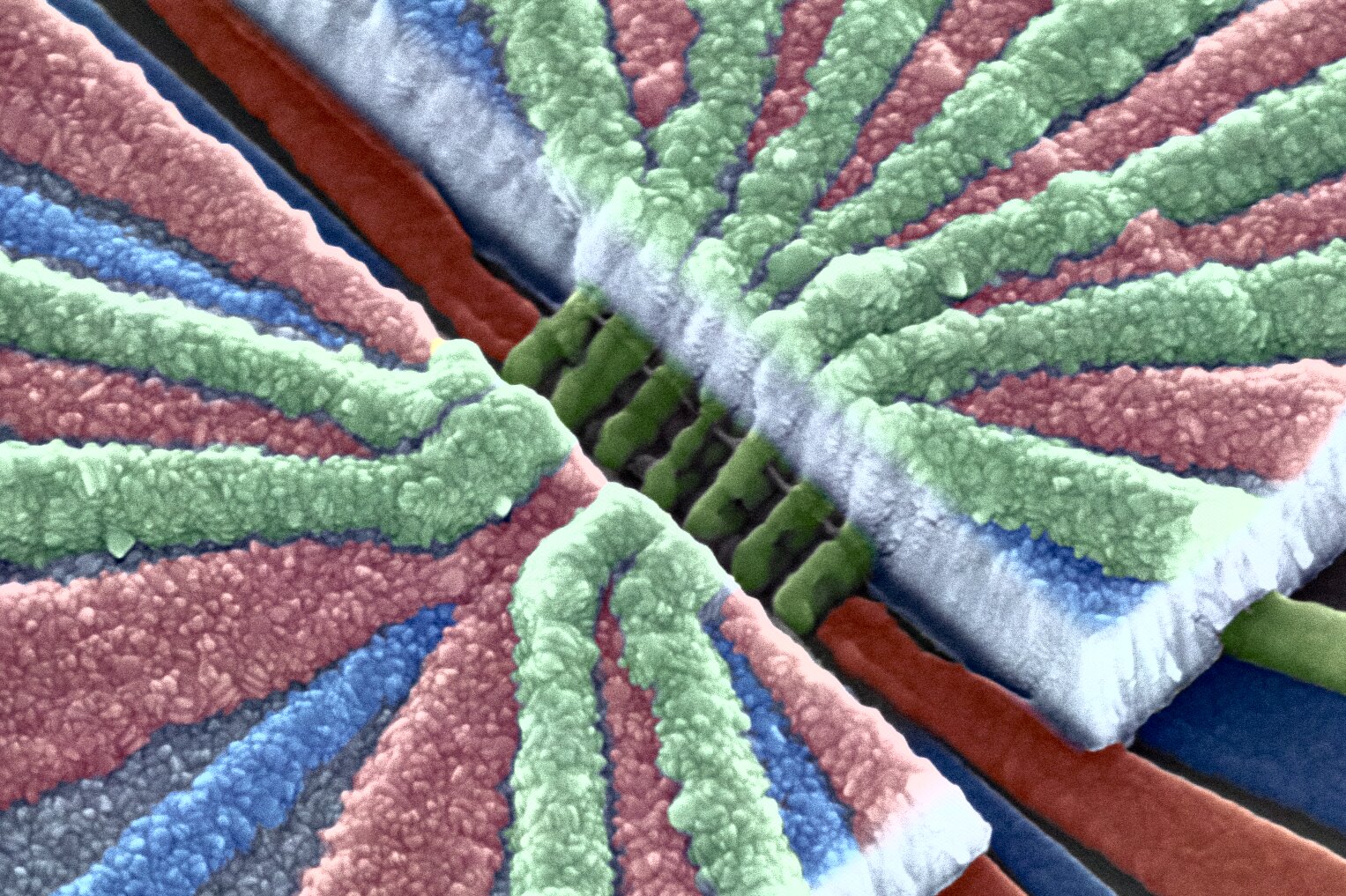
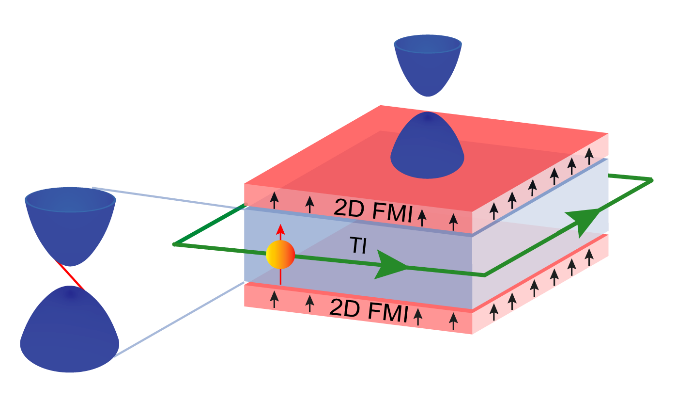
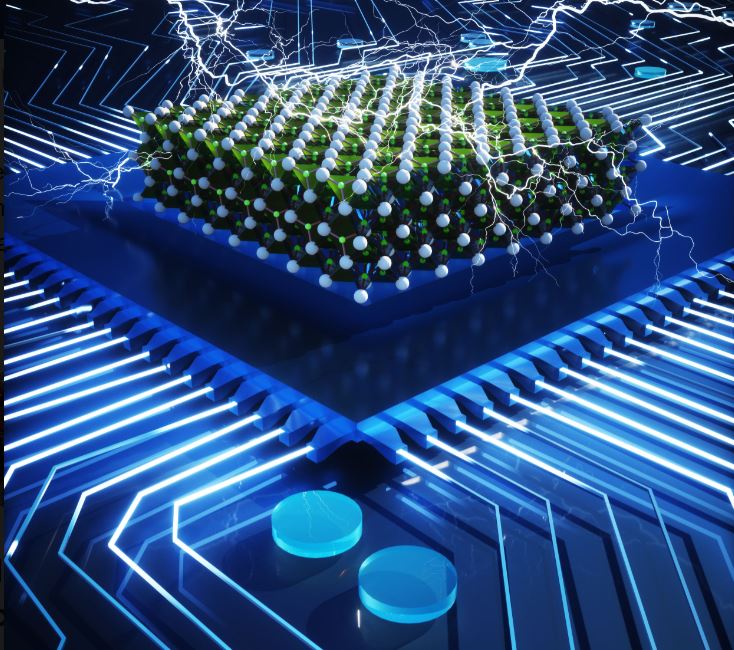
A team of researchers has discovered unexpectedly familiar behavior in the antiferroelectric material known as zirconium dioxide, or zirconia. In the last few years, a class of materials called antiferroelectrics has been increasingly studied for its potential applications in modern computer memory devices. Research has shown that antiferroelectric-based memories might have greater energy efficiency and faster read and write speeds than conventional memories, among other appealing attributes. Further, the same compounds that can exhibit antiferroelectric behavior are already integrated into existing semiconductor chip manufacturing processes.

Now, a team led by ...

Read More

Key to Resilient Energy-efficient AI/machine learning may reside in Human Brain

Synchronization of neural oscillations achieved by astrocytes
Synchronization of neural oscillations is achieved by astrocytes through information sharing among their glial network. Credit: Elizabeth Floresgomez Murray. All Rights Reserved.

A clearer understanding of how a type of brain cell, astrocytes function and can be emulated in the physics of hardware devices, may result in artificial intelligence (AI) and machine learning that autonomously self-repairs and consumes much less energy than the technologies currently do, according to a team of Penn State researchers.

Astrocytes are named for their star shape and are a type of glial cell, which are support cells for neurons in the brain. They play a crucial role in brain functions such as memory, learning, self-repair and synchronization.

“This project stemmed from recent observations in...

Read More

Smart Material Switches between Heating and Cooling in minutes

A demonstration of the “smart-window-like” portion of the passive heating and cooling technology. Electricity causes the device to either clear (left) to reveal a mirror that reflects sunlight and allows heat to escape, or to darken with tiny nanoparticles (right), which traps both sunlight and heat. Credit: Po-Chun Hsu, Duke University

Passive technology on roofs and facades could greatly reduce HVAC energy consumption. Engineers have developed smart material technology that, with the flip of a switch, can alternate between harvesting heat from sunlight and allowing an object to cool. The window-like device has no moving parts and could be a boon for HVAC savings, potentially cutting energy usage by nearly 20% in the United States alone.

As anyone who has ever parked a car in t...

Read More

Unlocking the Technology to produce Unbreakable Screens

Unlocking the technology to produce unbreakable screens
Luminating composite glass. Credit: The University of Queensland

Cracked phone screens could become a thing of the past thanks to breakthrough research conducted at The University of Queensland.

The global team of researchers, led by UQ’s Dr Jingwei Hou, Professor Lianzhou Wang and Professor Vicki Chen, have unlocked the technology to produce next-generation composite glass for lighting LEDs and smartphone, television and computer screens.

The findings will enable the manufacture of glass screens that are not only unbreakable but also deliver crystal clear image quality.

Dr Hou said the discovery was a huge step forward in perovskite nanocrystal technology as previously, researchers were only able to produce this technology in the bone-dry atmosphere of a laboratory setting.

...Read More