Telescopes Unite in Unprecedented Observations of Famous Black Hole

EHT Collaboration

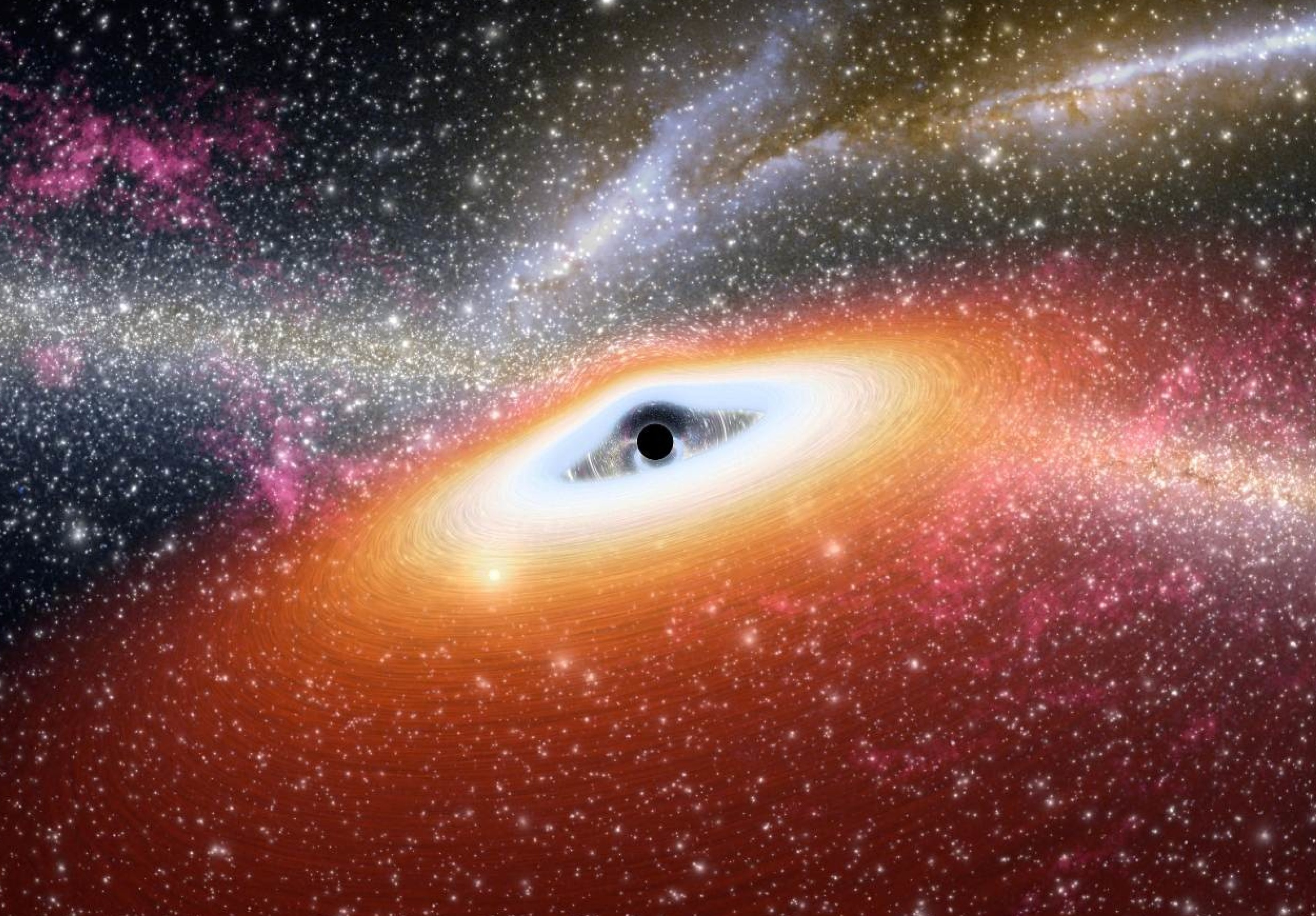
In April 2019, scientists released the first image of a black hole in galaxy M87 using the Event Horizon Telescope (EHT). However, that remarkable achievement was just the beginning of the science story to be told.

Data from 19 observatories released today promise to give unparalleled insight into this black hole and the system it powers, and to improve tests of Einstein’s General Theory of Relativity.

“We knew that the first direct image of a black hole would be groundbreaking,” says Kazuhiro Hada of the National Astronomical Observatory of Japan, a co-author of a new study published in The Astrophysical Journal Letters that describes the large set of data...

Read More

Toxic Gas in Rat Brains shows potential for new Dementia Treatments

Scans of a brain from an fMRI

A potential treatment for dementia and epilepsy could look to reduce the amounts of a toxic gas in the brain has been revealed in a new study using rat brain cells.

The research published in Scientific Reports shows that treatments to reduce levels of hydrogen sulfide (H2S) in the brain may help to ward off damage caused by the gas. By testing rat brain cells, the team of scientists from the University of Reading, University of Leeds and John Hopkins University in the USA found that H2S is involved in blocking a key brain cell gateway that helps the brain to communicate effectively.

Dr Mark Dallas, Associate Professor in Cellular Neuroscience at the University of Reading said:

“This is an exciting finding as it gives us new insights about the role of hydrogen sulfide in vario...

Read More

No batteries? No sweat! Wearable Biofuel Cells now produce Electricity from Lactate

No batteries? No sweat! Wearable biofuel cells now produce electricity from  lactate | EurekAlert! Science News

Scientists develop biofuel cells that can power wearable electronics purely by using human sweat. Wearable electronic devices and biosensors are great tools for health monitoring, but it has been difficult to find convenient power sources for them. Now, a group of scientists has successfully developed and tested a wearable biofuel cell array that generates electric power from the lactate in the wearer’s sweat, opening doors to electronic health monitoring powered by nothing but bodily fluids.

It cannot be denied that, over the past few decades, the miniaturization of electronic devices has taken huge strides...

Read More

‘Yellowballs’ offer new insights into Star Formation

"yellowball" image one
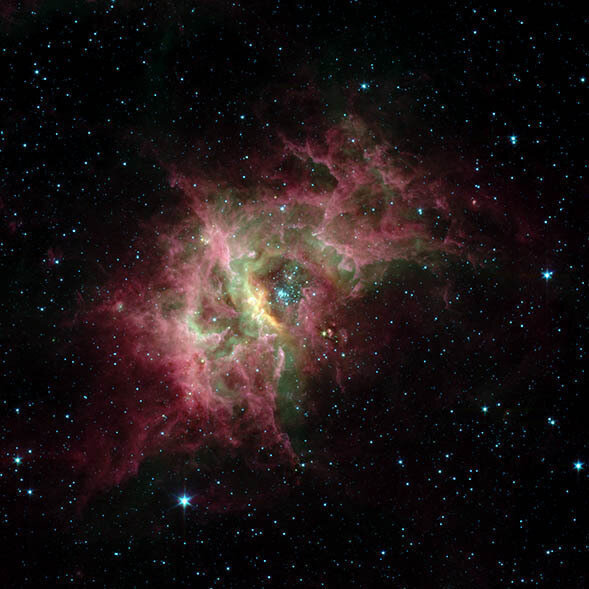
An example of a yellowball (left, circled) and a bubble (right, circled) as seen in infrared images from NASA’s Spitzer Space Telescope. A typical yellowball has a diameter of about a light-year, while a bubble can grow to tens of light-years. This false-color image uses a blue-green-red color scheme to depict infrared wavelengths used in the Milky Way Project and gives rise to the ‘yellow’ color of the feature.
Credit: NASA/JPL-Caltech.

A serendipitous discovery by citizen scientists has provided a unique new window into the diverse environments that produce stars and star clusters, revealing the presence of “stellar nurseries” before infant stars emerge from their birth clouds, according to Planetary Science Institute Senior Scientist Grace Wolf-Chase.

“Yellowballs are small co...

Read More