New Galaxy Sheds Light on How Stars Form

Image of galaxies
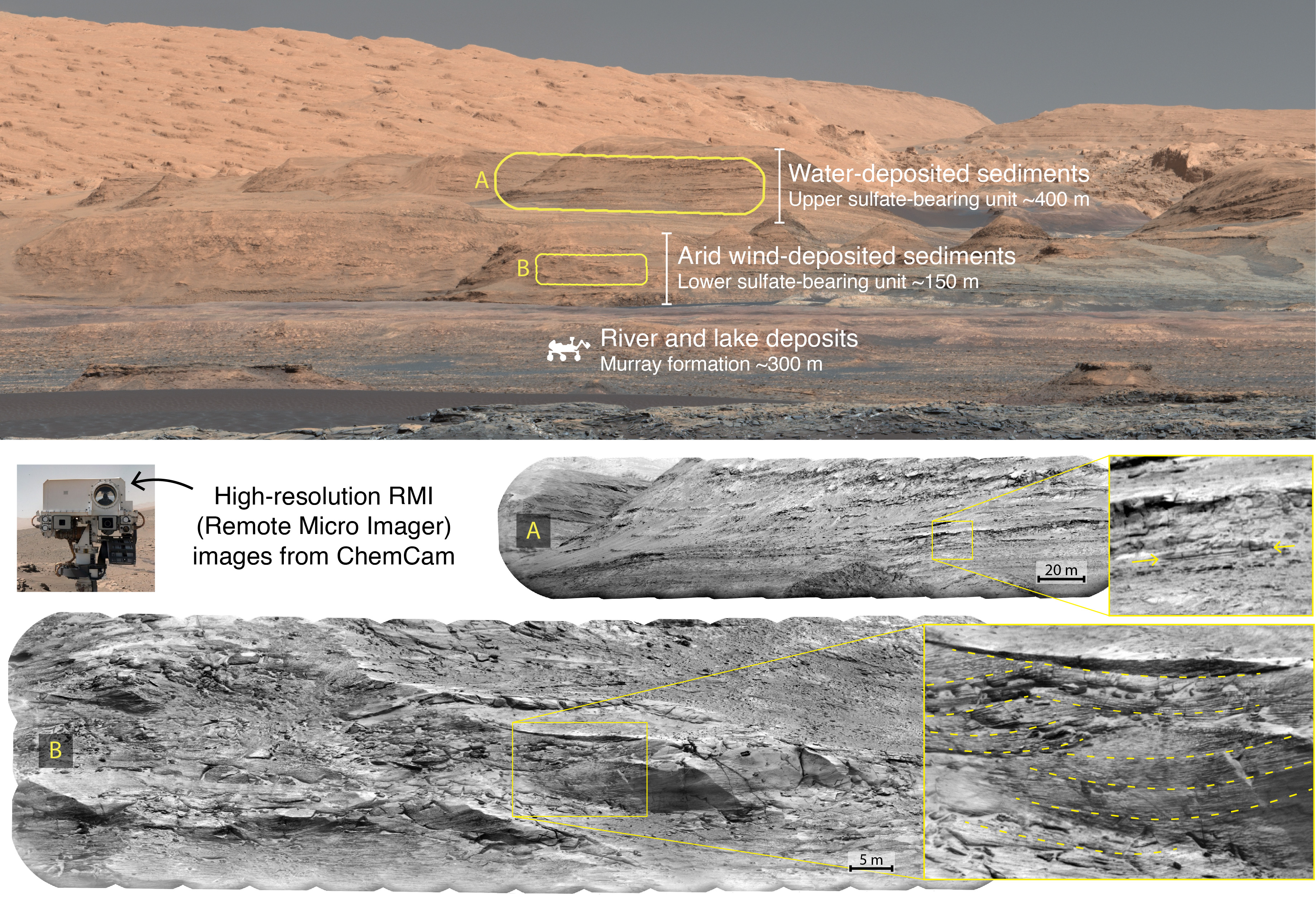
A tidal dwarf galaxy (blue) and a spiral galaxy (greyscale). The Milky Way is an example of a spiral galaxy. (Created from images taken by the Hubble Space Telescope and ALMA.)

A lot is known about galaxies. We know, for instance, that the stars within them are shaped from a blend of old star dust and molecules suspended in gas. What remains a mystery, however, is the process that leads to these simple elements being pulled together to form a new star.

But now an international team of scientists, including astrophysicists from the University of Bath in the UK and the National Astronomical Observatory (OAN) in Madrid, Spain have taken a significant step towards understanding how a galaxy’s gaseous content becomes organised into a new generation of stars.

Their findings have import...

Read More

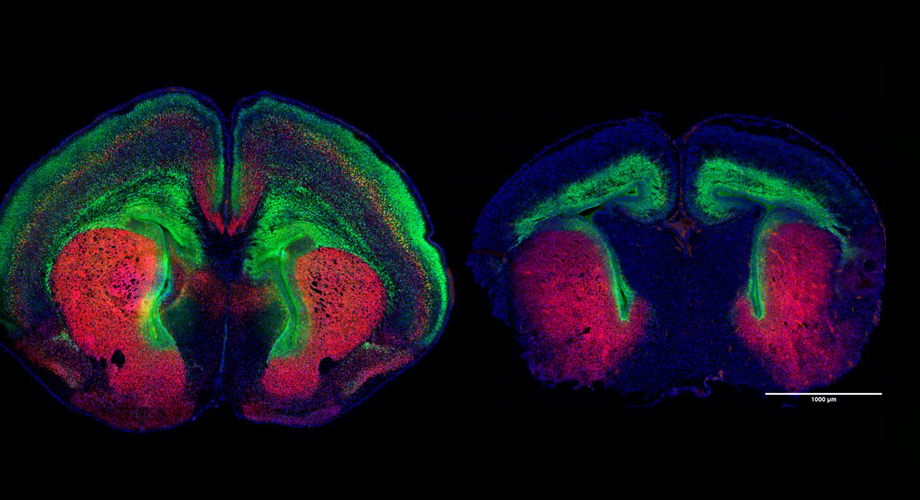
Newly discovered subset of Brain Cells fight Inflammation with Instructions from the Gut

This shows the outline of a head and a brain
The researchers used refined gene- and protein-analysis tools to identify the novel astrocyte subset. Image is in the public domain

Astrocytes are the most abundant type of cells within the central nervous system (CNS), but they remain poorly characterized. Researchers have long assumed that astrocytes’ primary function is to provide nutrients and support for the brain’s more closely scrutinized nerve cells; over the years, however, increasing evidence has shown that astrocytes can also actively promote neurodegeneration, inflammation, and neurological diseases...

Read More

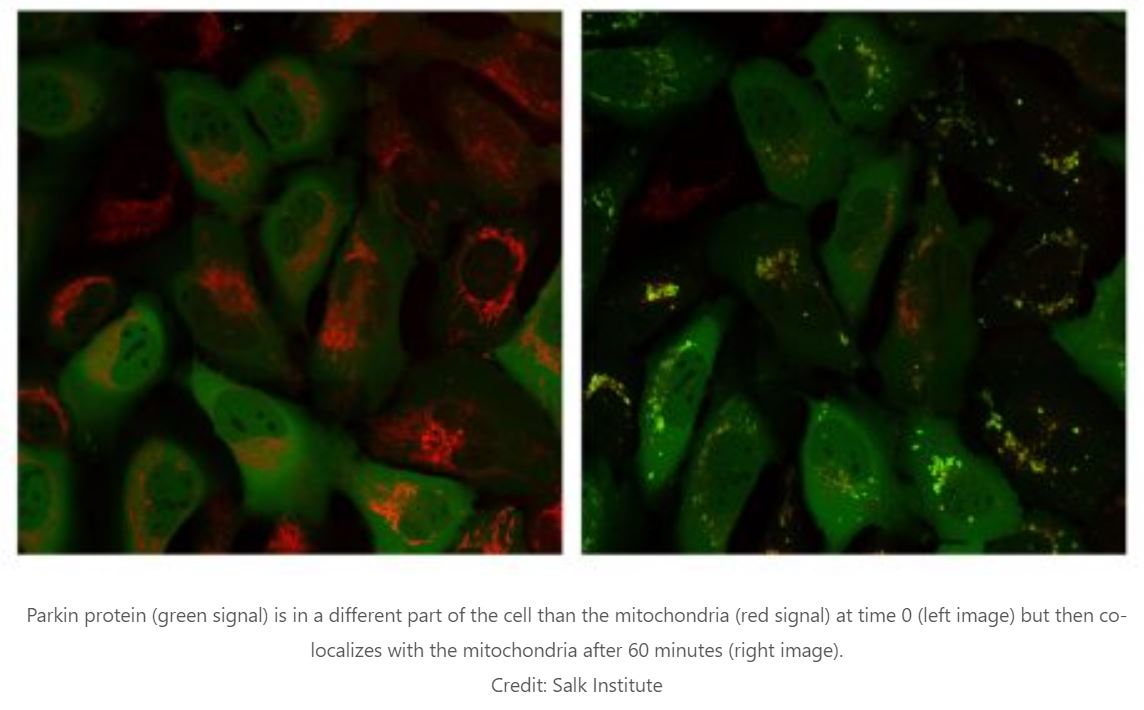
What’s in a name? A New Class of Superconductors: Commonly mistaken name leads to broader discovery

“Levitation of a magnet on top of a superconductor 2” by Jubobroff, Fbouquet, LPS is licensed under CC BY-SA 3.0.

A new theory that could explain how unconventional superconductivity arises in a diverse set of compounds might never have happened if physicists Qimiao Si and Emilian Nica had chosen a different name for their 2017 model of orbital-selective superconductivity.

In a study published this month in npj Quantum Materials, Si of Rice University and Nica of Arizona State University argue that unconventional superconductivity in some iron-based and heavy-fermion materials arises from a general phenomenon called “multiorbital singlet pairing.”

In superconductors, electrons form pairs and flow without resistance...

Read More

When Galaxies Collide: Models suggest galactic collisions can starve massive black holes

Eight dark squares, each with a chaotic orange shape
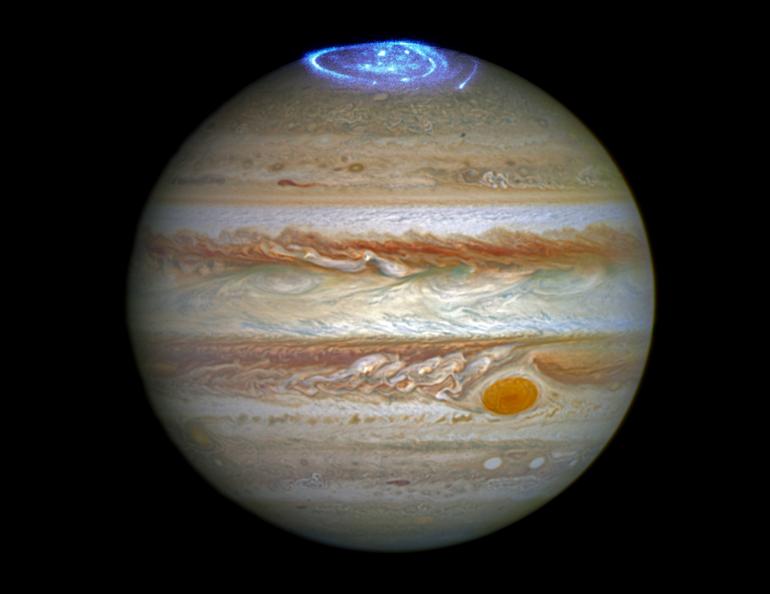
Galaxies collide. Visualizations of the dynamic model simulating two different scenarios. The top row shows a collision reducing core activity, the bottom row shows a collision increasing it. © 2021 Miki et al.

It was previously thought that collisions between galaxies would necessarily add to the activity of the massive black holes at their centers. However, researchers have performed the most accurate simulations of a range of collision scenarios and have found that some collisions can reduce the activity of their central black holes. The reason is that certain head-on collisions may in fact clear the galactic nuclei of the matter which would otherwise fuel the black holes contained within.

When you think about gargantuan phenomena such as the collision of galaxies, it might be t...

Read More