Nanotechnology: Nanoparticles as weapons against Cancer

The amorphous nanoparticles dissolve very efficiently in the cell. Source: von Schirnding et al., Chem 2020

Researchers have developed a novel type of nanoparticle that efficiently and selectively kills cancer cells, thus opening up new therapeutic options for the treatment of tumors. Many chemotherapeutic agents used to treat cancers are associated with side-effects of varying severity, because they are toxic to normal cells as well as malignant tumors. This has motivated the search for effective alternatives to the synthetic pharmaceuticals with which most cancers are currently treated...

Read More

Goldilocks and the 3 quantum dots: Just right for peak solar panel performance

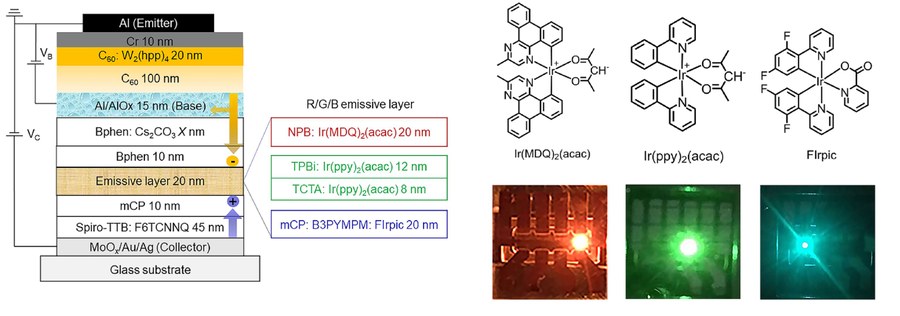
An image representing the layered structure of a typical solar photovoltaic device

Maximizing the efficiency of renewable energy technology is dependent on creating nanoparticles with ideal dimensions and density, new simulations have shown. Scientists in Australia have developed a process for calculating the perfect size and density of quantum dots needed to achieve record efficiency in solar panels.

Quantum dots, human-made nanocrystals 100,000 times thinner than a sheet of paper, can be used as light sensitisers, absorbing infrared and visible light and transferring it to other molecules.

This could enable new types of solar panels to capture more of the light spectrum and generate more electrical current, through a process of ‘light fusion’ known as photochemical upconversion.

The researchers, from the ARC Centre of Excellence in Exciton Science, used l...

Read More

Meteoric Evidence for a previously Unknown Asteroid

False color close up of a shard of a meteorite
 SwRI scientists studied the composition of a small shard of a meteoroid to determine that it likely originated from a previously unknown parent asteroid. This false-color micrograph of the meteoroid sample shows the unexpected amphibole crystals identified in orange. Courtesy of NASA/USRA/Lunar and Planetary Institute

Mineralogy points to large, water-rich parent asteroid for carbonaceous chondrite meteorite. A Southwest Research Institute-led team of scientists has identified a potentially new meteorite parent asteroid by studying a small shard of a meteorite that arrived on Earth a dozen years ago...

Read More

COVID-19 Virus enters the Brain, research strongly suggests

Illustration of a storm in your brain from COVID-19

The S1 protein likely causes the brain to release inflammatory products causing a storm in the brain, researchers said. Alice Gray

A new study shows how spike protein crosses the blood-brain barrier. The SARS-CoV-2 virus, like many viruses before it, is bad news for the brain. In a new study, researchers found that the spike protein, often depicted as the red arms of the virus, can cross the blood-brain barrier in mice. The spike proteins alone can cause brain fog. Since the spike protein enters the brain, the virus also is likely to cross into the brain.

In a study published Dec.16 in Nature Neuroscience, researchers found that the spike protein, often depicted as the red arms of the virus, can cross the blood-brain barrier in mice.
This strongly suggests that SARS-CoV-2, the cause ...

Read More