Robot ‘Chef’ Learns to Recreate Recipes from Watching Food Videos

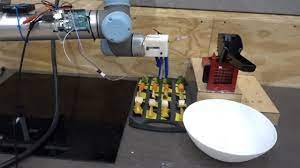
Researchers have trained a robotic ‘chef’ to watch and learn from cooking videos, and recreate the dish itself.

The researchers, from the University of Cambridge, programmed their robotic chef with a ‘cookbook’ of eight simple salad recipes. After watching a video of a human demonstrating one of the recipes, the robot was able to identify which recipe was being prepared and make it.

In addition, the videos helped the robot incrementally add to its cookbook. At the end of the experiment, the robot came up with a ninth recipe on its own. Their results, reported in the journal IEEE Access, demonstrate how video content can be a valuable and rich source of data for automated food production, and could enable easier and cheaper deployment of robot chefs.

Robotic chefs have been fe...

Read More

Webb Space Telescope Detects Universe’s Most Distant Complex Organic Molecules

Astronomers using the Webb telescope discovered evidence of complex organic molecules in a galaxy more than 12 billion light-years away. The galaxy lines up almost perfectly with a second galaxy only 3 billion light-years away from our perspective on Earth. In this false-color Webb image, the foreground galaxy is shown in blue, while the background galaxy is red. The organic molecules are highlighted in orange.
Graphic courtesy J. Spilker / S. Doyle, NASA, ESA, CSA

Researchers have detected complex organic molecules in a galaxy more than 12 billion light-years away from Earth — the most distant galaxy in which these molecules are now known to exist...

Read More

DNA Damage Repaired by Antioxidant Enzymes

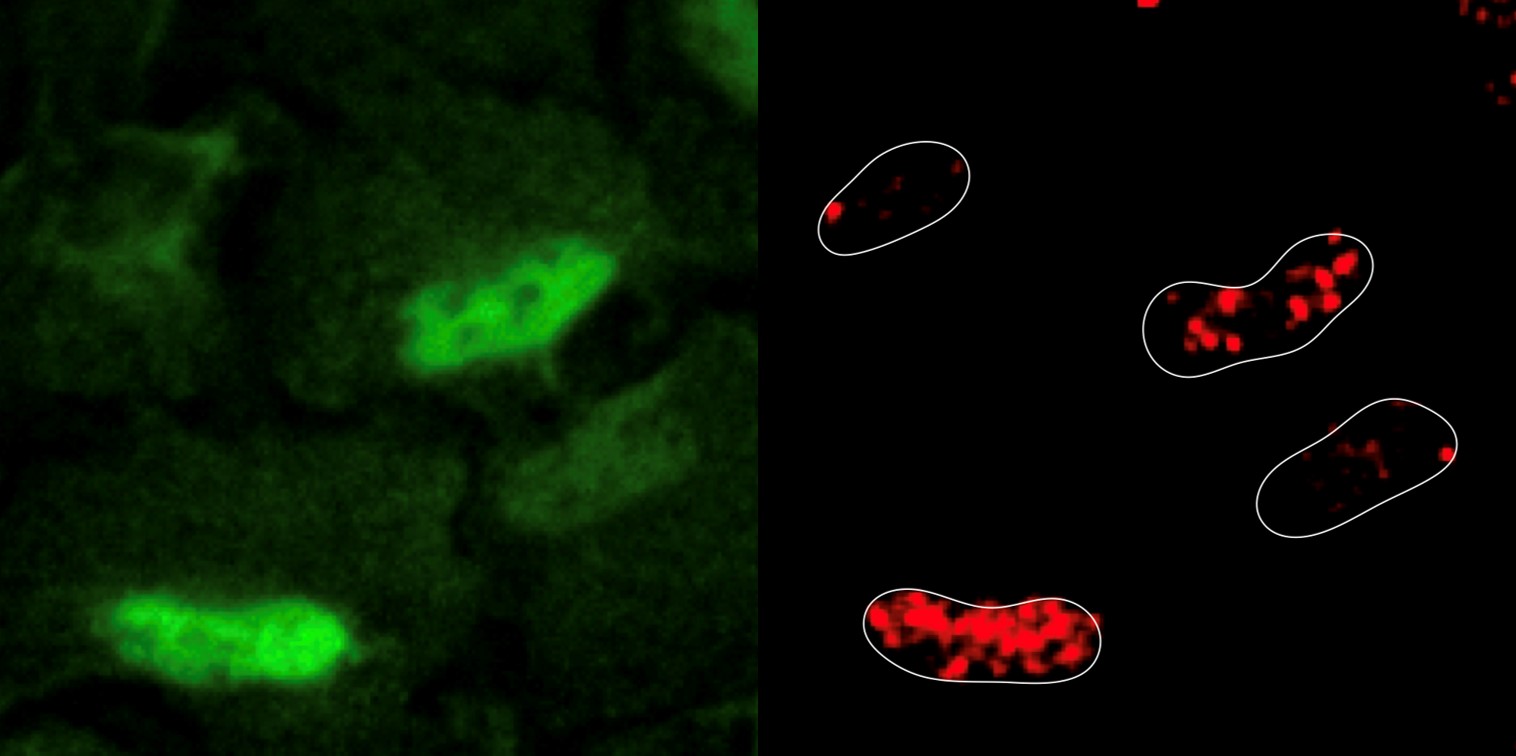
In crisis, the nucleus calls antioxidant enzymes to the rescue. The nucleus being metabolically active is a profound paradigm shift with implications for cancer research.

Summary points

The human nucleus is metabolically active, according to the findings of a new study in Molecular Systems Biology by researchers at the CRG in Barcelona and CeMM/Medical University of Vienna,

In a state of crisis, such as widespread DNA damage, the nucleus protects itself by appropriates mitochondrial machinery to carry out urgent repairs that threaten the genome’s integrity

The findings represent a paradigm shift because the nucleus has been historically considered to be metabolically inert, importing all its needs through supply chains in the cytoplasm

Cancer hijacks cellular metabolism...

Read More

Researchers finds a way to Reduce the Overheating of Semiconductor Devices

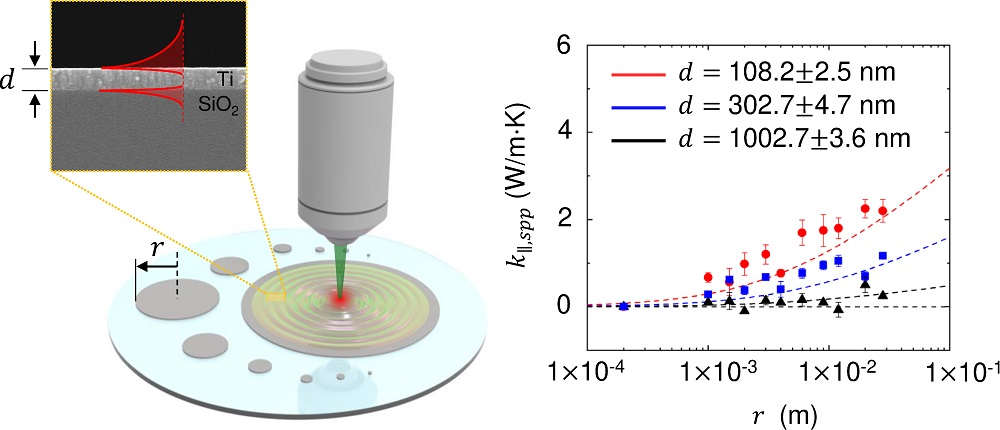
Schematic diagram of the principle of measuring the thermal conductivity of thin Titanium (TI) films
Schematic diagram of the principle of measuring the thermal conductivity of thin Titanium (TI) films and the thermal conductivity of surface plasmon polariton measured on the Ti film

Scientists have identified a method for improving the thermal conductivity of thin metal films in semiconductors using surface waves for the first time in the world.

The demand to shrink the size of semiconductors coupled with the problem of the heat generated at the hot spots of the devices not being effectively dispersed has negatively affected the reliability and durability of modern devices. Existing thermal management technologies have not been up to the task...

Read More