
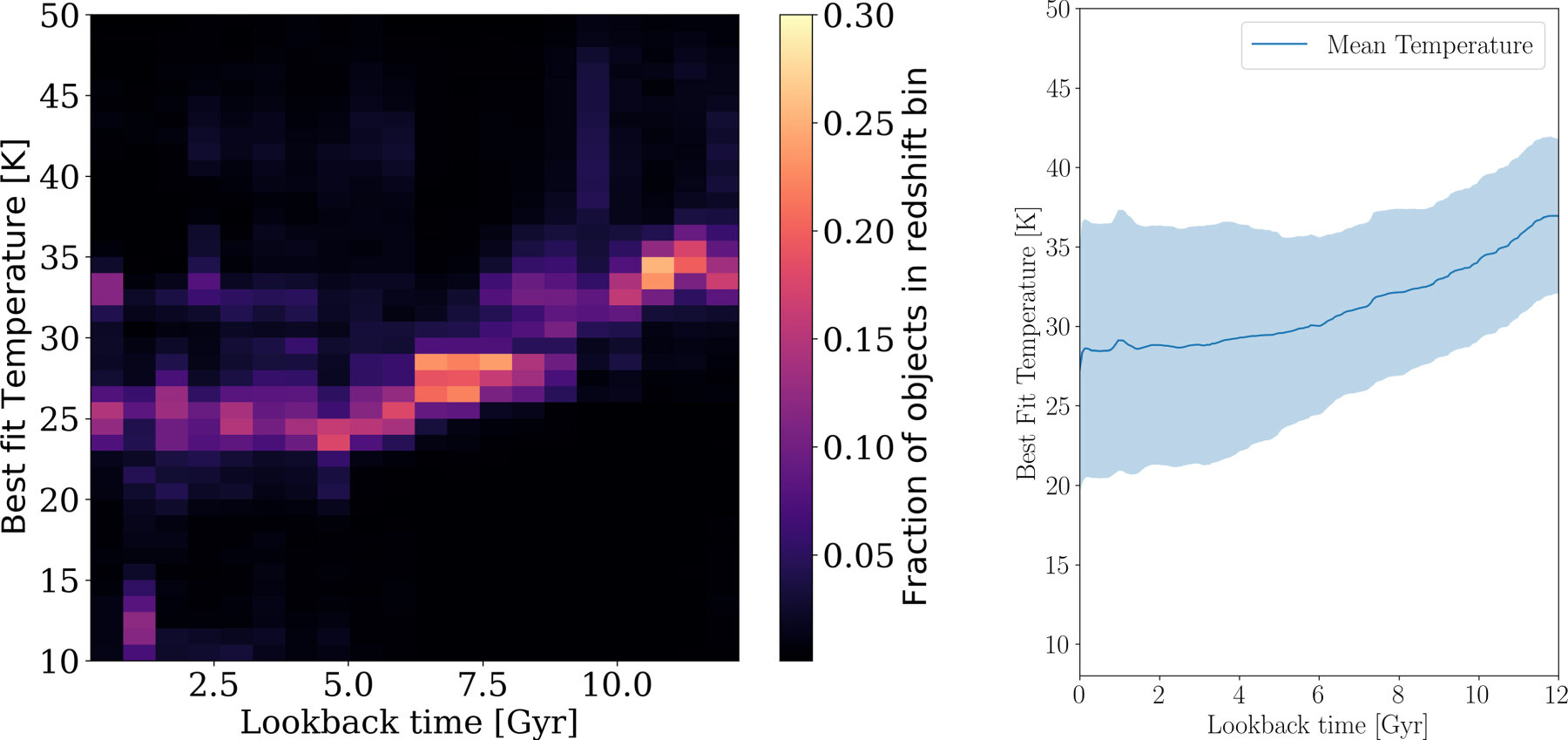
A team of Uni...
Read More

Until we recognize the essential role of biology, our attempts to truly unify the universe will remain a train to nowhere. ~Robert Lanza Read More
Good health is not something we can buy. However, it can be an extremely valuable savings account. ~Anne Wilson Schaef Read More

The only way forward, if we are going to improve the quality of the environment, is to get everybody involved. ~Richard Rogers Read More

To raise new questions, new possibilities, to regard old problems from a new angle, requires creative imagination and marks real advance in science. ~Albert Einstein Read More
Old Newtonian physics claimed that things have an objective reality separate from our perception of them. Quantum physics, and particularly Heisenberg's Uncertainty Principle, reveal that, as our perception of an object changes, the object itself literally changes. ~Marianne Williamson Read More
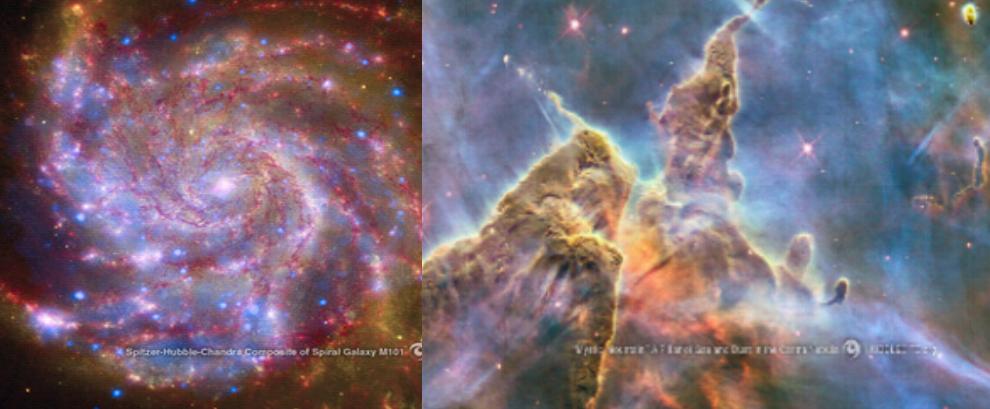
Astronomy compels the soul to look upwards and leads us from this world to another. ~ Read More
May 26, 2022,
 Astronomy/Space
A team of Uni...
Read More
May 26, 2022,
Health/Medical, Biology/Biotechnology
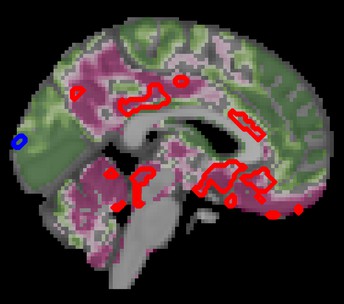
Scientists have demonstrated that normal brain aging is accelerated by approximately 26% in people with progressive type 2 diabetes compared with individuals without the disease, reports a study published today in eLife.
The authors evaluated the relationship between typical brain aging and that seen in type 2 diabetes, and observed that type 2 diabetes follows a similar pattern of neurodegeneration as aging, but which progresses faster. One important implication of this finding is that even typical brain aging may reflect changes in the brain’s regulation of glucose by insulin.
The results further suggest that by the time type 2 diabetes is formally diagnosed, the...
Read More
May 26, 2022,
Health/Medical, Biology/Biotechnology
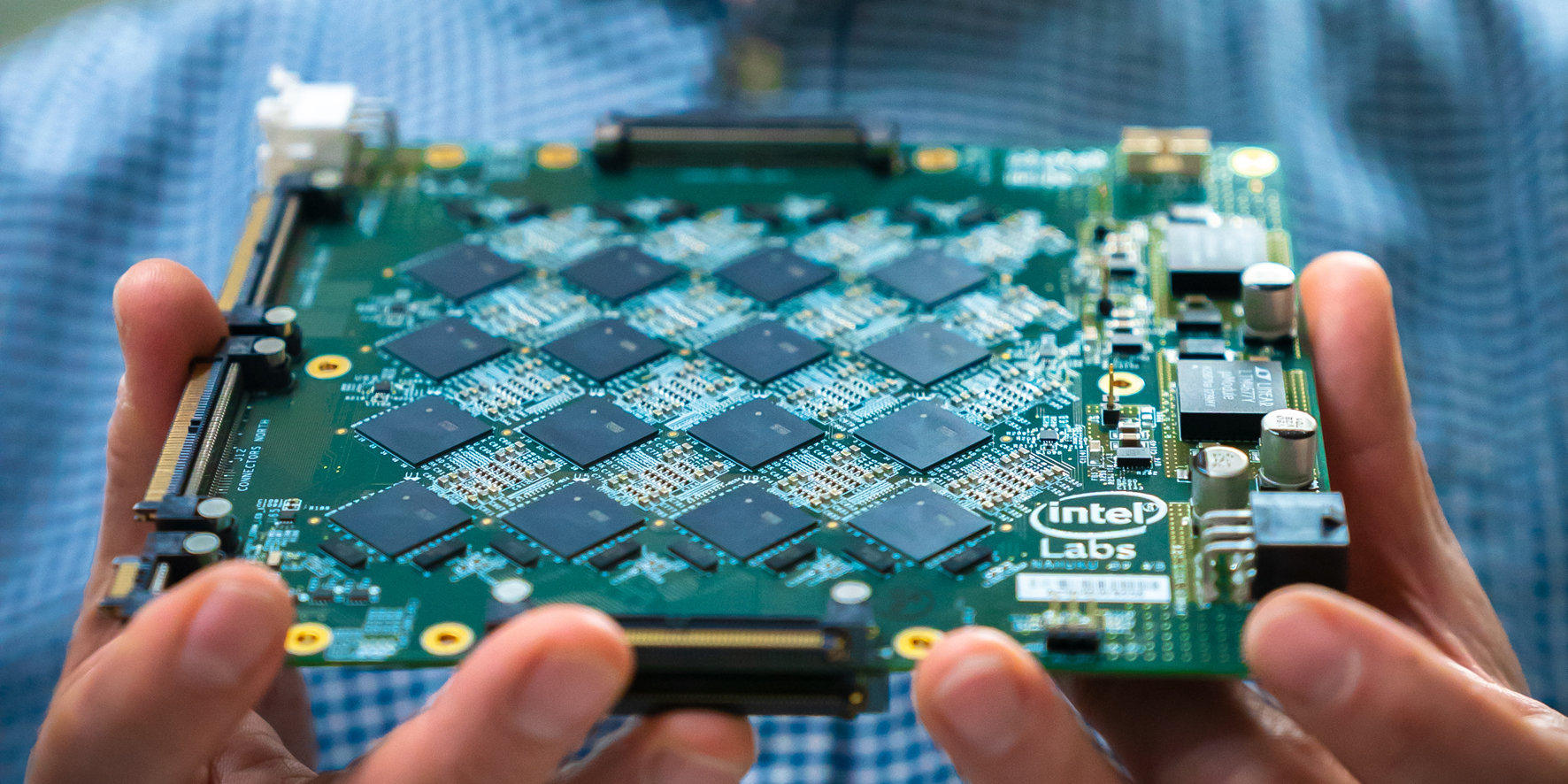
For the first time TU Graz’s Institute of Theoretical Computer Science and Intel Labs demonstrated experimentally that a large neural network can process sequences such as sentences while consuming 4X – 16X less energy while running on neuromorphic hardware than non-neuromorphic hardware. The new research based on Intel Labs’ Loihi neuromorphic research chip that draws on insights from neuroscience to create chips that function similar to those in the biological brain.
The research was funded by The Human Brain Project (HBP), one of the largest research projects in the world with more than 500 scientists and engineers across Europe studying the human bra...
Read More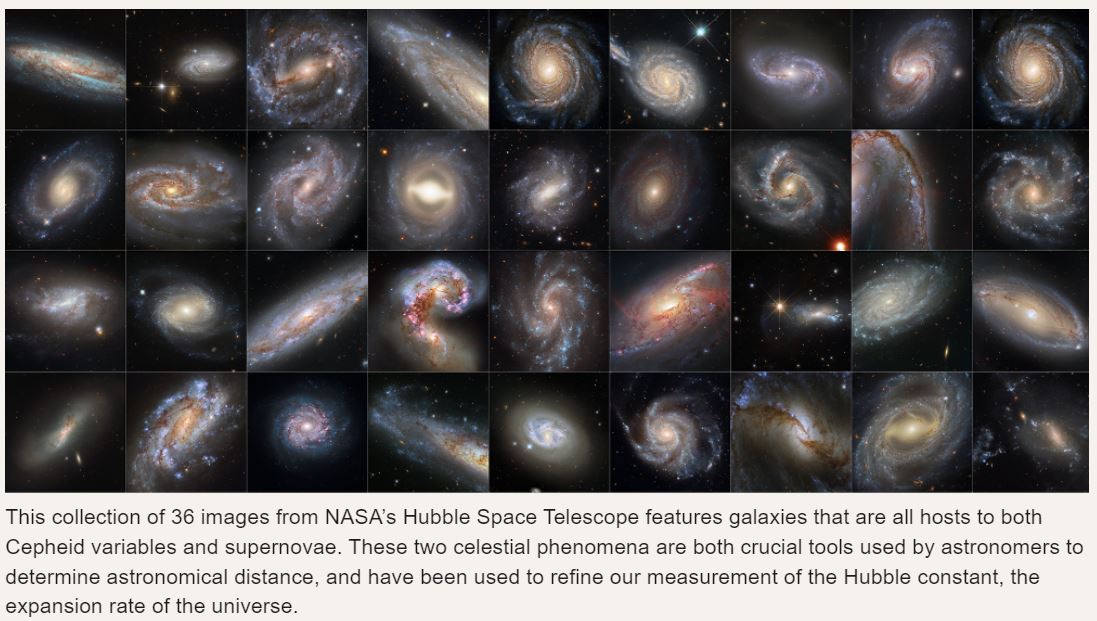
Completing a nearly 30-year marathon, NASA’s Hubble Space Telescope has calibrated more than 40 “milepost markers” of space and time to help scientists precisely measure the expansion rate of the universe — a quest with a plot twist.
Pursuit of the universe’s expansion rate began in the 1920s with measurements by astronomers Edwin P. Hubble and Georges Lemaître...
Read More
Recent Comments