The future of 5G+ Infrastructure could be built Tile by Tile

Two fabricated proof-of-concept tile arrays are shown alongside two inkjet-printed tile arrays, which the team will present on at the upcoming International Microwave Symposium in June. Credit: Georgia Tech

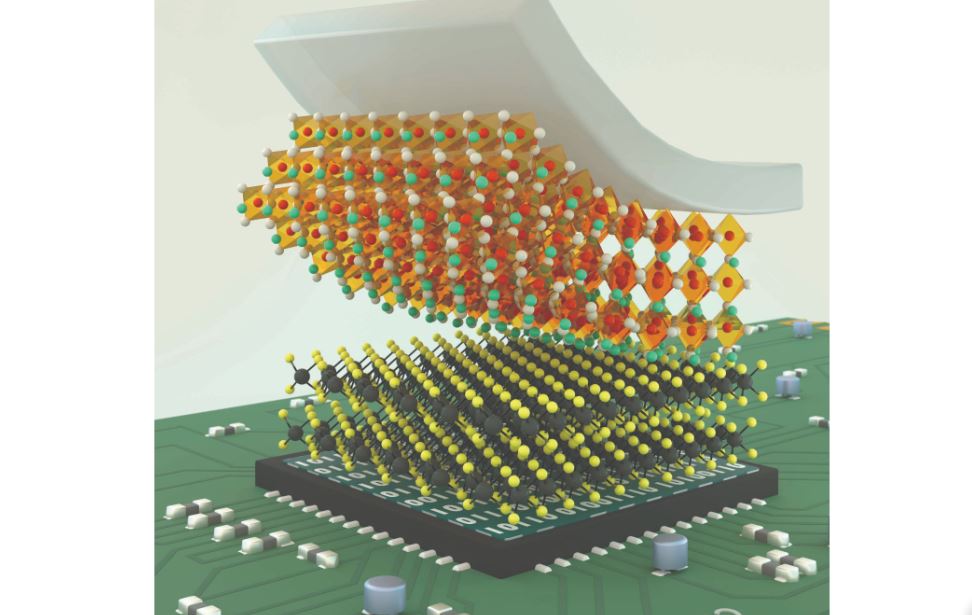
5G+ (5G/Beyond 5G) is the fastest-growing segment and the only significant opportunity for investment growth in the wireless network infrastructure market, according to the latest forecast by Gartner, Inc. But currently 5G+ technologies rely on large antenna arrays that are typically bulky and come only in very limited sizes, making them difficult to transport and expensive to customize.

Researchers from Georgia Tech’s College of Engineering have developed a novel and flexible solution to address the problem...

Read More

Burst of Accumulated Zinc shows how the Mineral Boosts Immune Function, suggesting ways to Improve Health

Dudakov Lab postdoctoral fellow Dr. Lorenzo Iovino discovered two ways that zinc helps boost the immune system.Photo by Robert Hood / Fred Hutch News Service

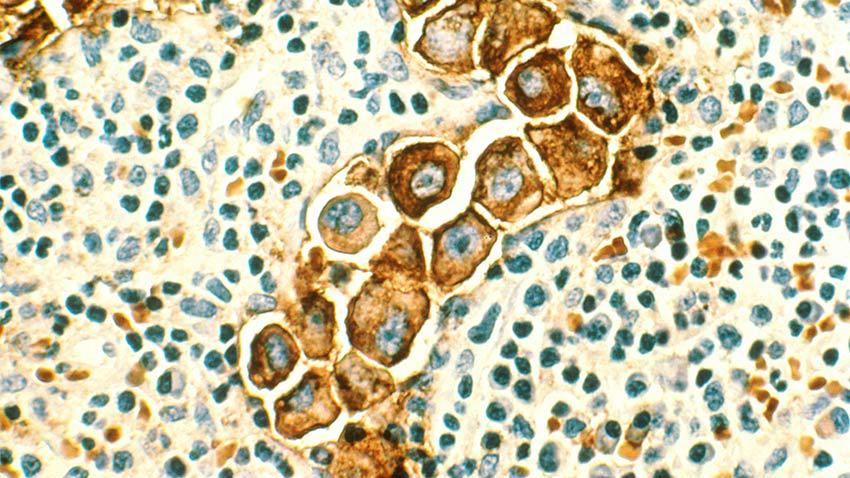
In mice, zinc helps thymus of the immune system regrow and immune-cell recovery after bone marrow transplant. Zinc’s immune-boosting properties are well-established, but scientists haven’t known exactly how it works. In a new study published online March 25 in the journal Blood, Fred Hutchinson Cancer Research Center scientists reveal two ways the mineral supports immunity and suggest how it could be used to improve health.

Using mice, the team discovered that zinc is needed for the development of disease-fighting immune T cells and prompts regeneration of the thymus, the immune organ that produces T cells.

“This study adds ...

Read More

Impact of Black Hole Winds, Radiation examined in new study

Black holes are regions of space where gravity is so strong that nothing can escape. New research is examining the radiation and winds emanating from black hole activity and shows how they may exert effects on nearby planets.

“The impact of AGN outflows on the surface habitability of terrestrial planets in the Milky Way” is a research paper by the team of astrobiologist Manasvi Lingam and astrophysicist Eric Perlman from Florida Tech’s Department of Aerospace, Physics and Space Sciences, as well as researchers from the University of Rome, University of Maryland and Goddard Space Flight Center...

Read More

Scavenger Nanoparticles could make Fuel Cell-Powered Vehicles a Reality

New material prevents inexpensive catalysts from degrading. Engineers at the University of Illinois Chicago are among a collaborative team that has developed a material that could give fuel cell systems a competitive edge over the battery systems that currently power most electric vehicles.

In contrast to lithium batteries, fuel cell technology relies on catalyst-driven chemical reactions to create energy. Lithium batteries can typically achieve a range of 100-300 miles on one charge, but they also are vulnerable to the high cost of cathode materials and manufacturing and require several hours to charge...

Read More