Scientists explain Mysterious Finger-like features in Solar Flares

NASA SDO

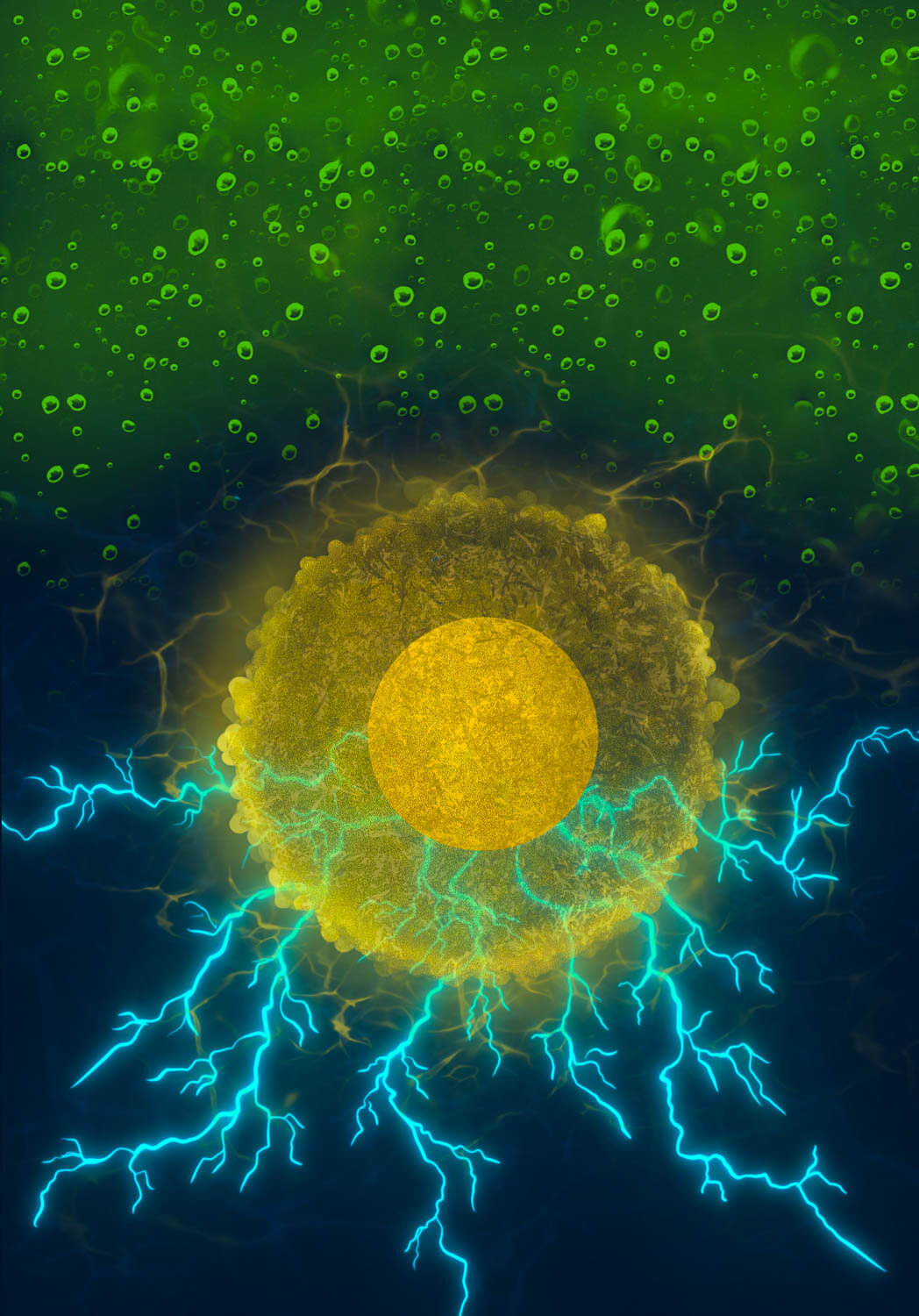
Astronomers have presented a new explanation for the mysterious downward-moving dark voids seen in some solar flares. In January 1999, scientists observed mysterious motions within a solar flare.

Unlike typical flares that showed bright energy erupting outwards from the Sun, this solar flare also displayed a downward flow of motion, as if material was falling back towards the Sun. Described as “downward-moving dark voids,” astronomers wondered what exactly they were seeing.

Now, in a study published today in Nature Astronomy, astronomers at the Center for Astrophysics | Harvard & Smithsonian (CfA) offer a new explanation for the poorly understood downflows, now referred to as supra-arcade downflows (SADs) by the scientific community.

“We wanted to know how these struc...

Read More

Robot Performs First Laparoscopic Surgery Without Human Help

A robot has performed laparoscopic surgery on the soft tissue of a pig without the guiding hand of a human — a significant step in robotics toward fully automated surgery on humans. Designed by a team of Johns Hopkins University researchers, the Smart Tissue Autonomous Robot (STAR) is described today in Science Robotics.

“Our findings show that we can automate one of the most intricate and delicate tasks in surgery: the reconnection of two ends of an intestine. The STAR performed the procedure in four animals and it produced significantly better results than humans performing the same procedure,” said senior author Axel Krieger, an assistant professor of mechanical engineering at Johns Hopkins’ Whiting School of Engineering.

The robot excelled at intestinal anastomosis, a proced...

Read More

Researchers Regrow Frog’s Lost Leg

Normal African clawed frog. Credit: Pouzin Olivier

For millions of patients who have lost limbs for reasons ranging from diabetes to trauma, the possibility of regaining function through natural regeneration remains out of reach. Regrowth of legs and arms remains the province of salamanders and superheroes.

But in a study published in the journal Science Advances, scientists at Tufts University and Harvard University’s Wyss Institute have brought us a step closer to the goal of regenerative medicine.

On adult frogs, which are naturally unable to regenerate limbs, the researchers were able to trigger regrowth of a lost leg using a five-drug cocktail applied in a silicone wearable bioreactor dome that seals in the elixir over the stump for just 24 hours...

Read More

A Leap Forward for Terahertz Lasers

New laser could be used for applications in imaging, security, or communications. Researchers have taken a major step towards bringing terahertz frequencies out of their hard-to-reach region of the electromagnetic spectrum and into everyday applications. In a new paper, the researchers demonstrate a first-of-its-kind terahertz laser that is compact, operates at room temperature and can produce 120 individual frequencies spanning the 0.25 – 1.3 THz, far more range than previous terahertz sources.

The laser could be used in a range of applications, such as skin and breast cancer imaging, drug detection, airport security and ultrahigh-capacity optical wireless links.

The research, conducted by a team from at the Harvard John A...

Read More