Mysterious Energy Source unlike anything Astronomers have seen before

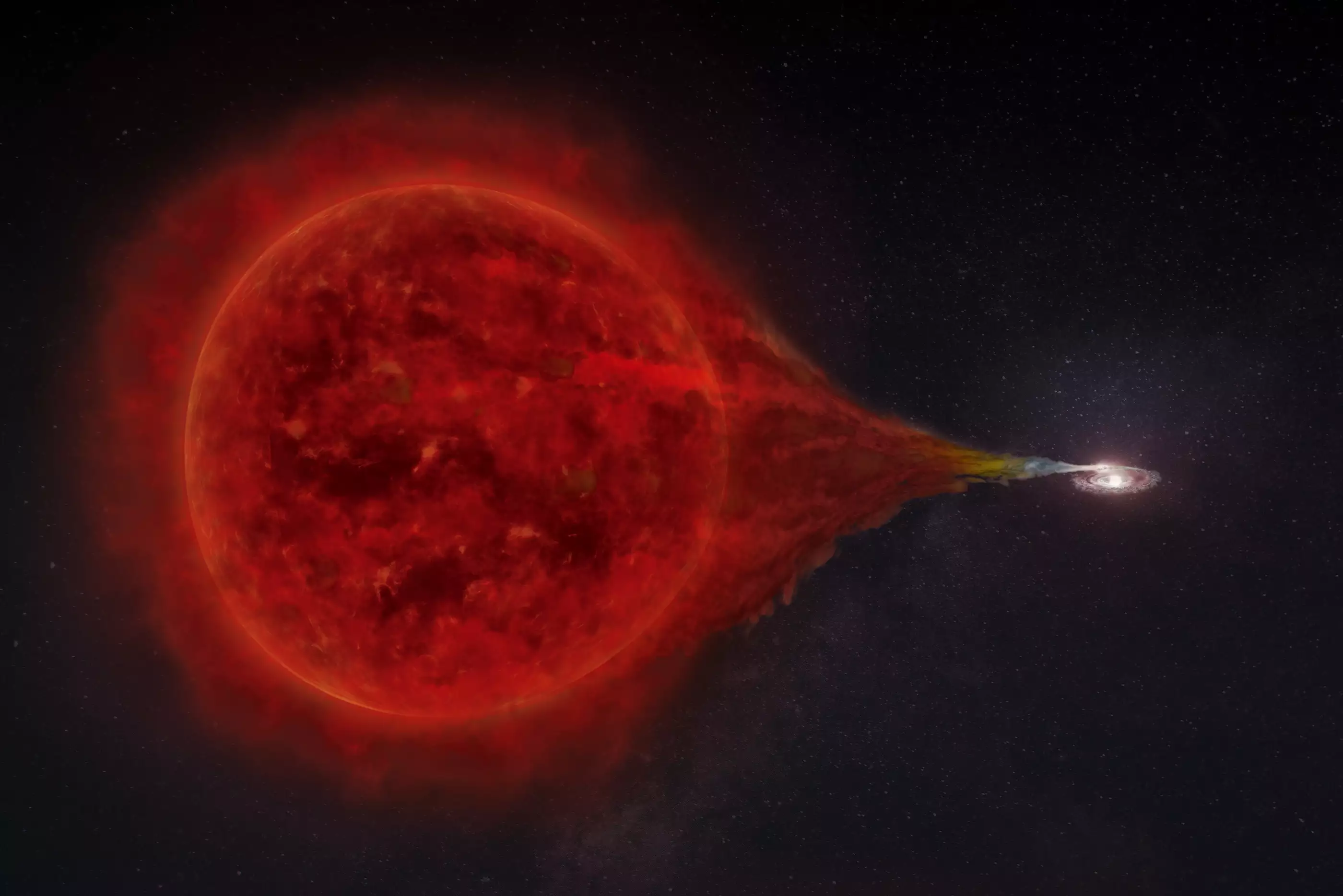
An artist’s impression of what the object might look like if it’s a magnetar. Magnetars are incredibly magnetic neutron stars, some of which sometimes produce radio emission. Known magnetars rotate every few seconds, but theoretically, “ultra-long period magnetars” could rotate much more slowly. Credit: ICRAR.

A team mapping radio waves in the universe has discovered something unusual that releases a giant burst of energy three times an hour, and it’s unlike anything astronomers have seen before.

The team that discovered it think it could be a neutron star or a white dwarf—collapsed cores of stars—with an ultra-powerful magnetic field...

Read More

New Research Links Genes to a Longer Human Lifespan

Credit: Pixabay/CC0 Public Domain

A group of genes that play an essential role in building components of our cells can also impact human lifespan, finds a new study led by UCL researchers.

The genes have previously been found to extend lifespan in small organisms, such as making fruit flies live 10% longer, but this is the first time scientists have demonstrated a link in people as well, as they report in a new Genome Research paper.

Co-lead author Dr. Nazif Alic (UCL Institute of Healthy Ageing) said, “We have already seen from extensive previous research that inhibiting certain genes involved in making proteins in our cells, can extend lifespan in model organisms such as yeast, worms and flies...

Read More

Getting Hydrogen out of Banana Peels

As the world’s energy demands increase, so does our consumption of fossil fuels. The result is a massive rise in greenhouse gases emissions with severely adverse environmental effects. To address this, scientists have been searching for alternative, renewable sources of energy.

A main candidate is hydrogen produced from organic waste, or biomass, of plants and animals. Biomass also absorbs, removes and stores CO2 from the atmosphere, while biomass decomposition can lead to negative emissions or greenhouse gas removal. But even though biomass heralds a way forward, there is still the question of the best way to maximize its conversion into energy.

Biomass gasification

There are currently two main methods for converting biomass into energy: gasification and pyrolysis...

Read More

Liquid Water Beneath Martian South Polar Cap?

NASA/JPL-Caltech/USGS/SwRI An SwRI scientist studied the antifreeze properties of exotic salts that exist on Mars, which could allow brines to remain liquid down to -103 degrees Fahrenheit. The studies show how a mile below the Martian south polar cap, brines between the grains of ice or sediments could produce the strong reflections detected by the radar instrument aboard ESA’s Mars Express orbiter.

Geophysical radar reflections, laboratory experiments point to slushy brines. A Southwest Research Institute scientist measured the properties of ice-brine mixtures as cold as -145 degrees Fahrenheit to help confirm that salty water likely exists between grains of ice or sediment under the ice cap at Mars’ south pole. Laboratory measurements conducted by SwRI geophysicist Dr...

Read More