



Scientists have developed a way to turn the body’s own immune cells into cancer-fighting agents—without removing them from the body—by using red blood cells to deliver genetic instructions. Current CAR (chimeric antigen receptor) therapies typically involve collecting a patient’s T cells, genetically modifying them in the laboratory, and then reinfusing them in a process that can take weeks. The new strategy aims to bypass that step.
In a study published in Science Translational Medicine, researchers at Westlake Laboratory of Life Sciences and Biomedicine in Hangzhou, China, report that they used engineered erythrocytes, or red blood cells, to carry messenger RNA—mRNA—that reprograms myeloid cells into tumor-targeting cells inside the body.
“Engineering myeloid cells with chimeric antigen receptors—CARs—holds great therapeutic promise,” writes Dr. Xiaoqian Nie, lead author of the investigation.
“We developed an erythrocyte-mediated messenger RNA delivery platform, termed mRNA-LNP-Ery, in which mRNA-loaded lipid nanoparticles are covalently anchored onto erythrocytes.”
A shift from lab-made to in-body cell therapies
The approach represents a potential new direction for cancer immunotherapy, avoiding the complex and costly process of extracting and engineering cells outside the body.
Instead, the researchers used red blood cells as delivery vehicles to transport mRNA encoding CAR constructs directly into the body. Once delivered, the genetic instructions are taken up by myeloid cells, a class of immune cells that includes macrophages, which play a central role in the tumor microenvironment.
After receiving the mRNA, the myeloid cells began expressing CAR molecules—engineered receptors that enable immune cells to recognize and attack cancer cells.
Unlike CAR-T cells, which primarily target cancer through adaptive immune mechanisms, CAR-engineered myeloid cells can infiltrate tumors and reshape the tumor microenvironment, potentially overcoming barriers that limit T cell therapies.
In preclinical animal models, the in vivo–generated CAR myeloid cells showed antitumor activity, suggesting that the approach can effectively reprogram immune cells where they are needed.
The method in no way makes CAR-T cell therapies obsolete for cancer or other medical conditions.
In a study published in January, also in Science Translational Medicine, scientists at the Icahn School of Medicine at Mount Sinai in New York City, demonstrated that CAR T cells produced in vivo can target and deplete cells in the liver that support fibrosis.
Producing CAR T cells in vivo to treat liver fibrosis may eventually prove to be an effective therapy. Like the research in China, the Mount Sinai study involved a preclinical animal model.
Why red blood cells?
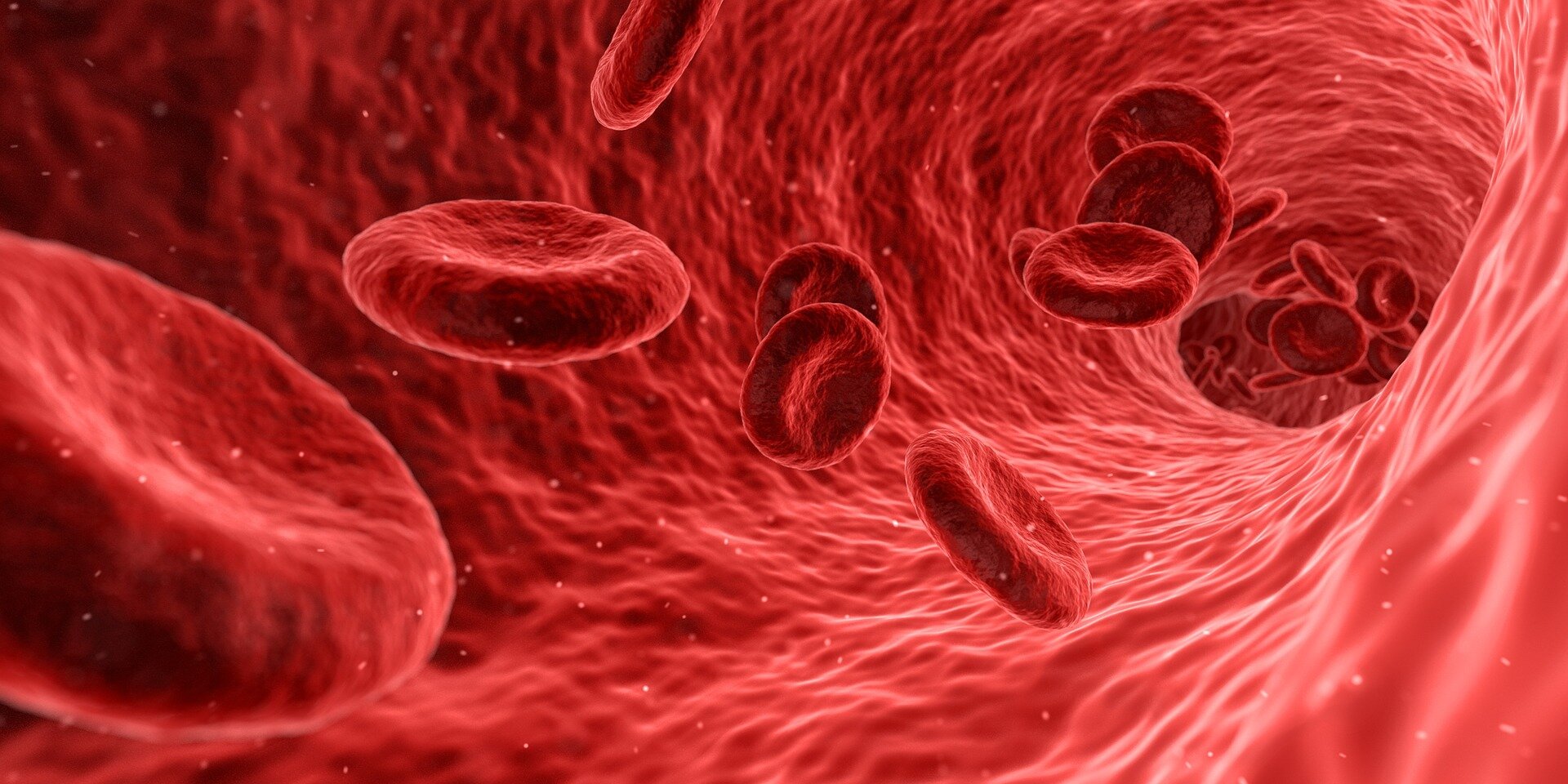
The research by Nie and colleagues, meanwhile, revealed that red blood cells offer several advantages as delivery vehicles. They are abundant, biocompatible, and circulate widely throughout the body, making them an attractive platform for distributing therapeutic molecules.
The new approach also enables the mRNAs to slip past immune surveillance forces in the spleen that have held back previous attempts to generate CAR myeloid cells in vivo. CAR myeloid cell therapy is emerging as a promising tool for cancer immunotherapy because engineered CAR myeloid cells can engulf tumor cells and amplify other antitumor immune responses.
“These cells migrated to tumors, eliminated cancer cells, and remodeled the tumor microenvironment, leading to increased infiltration of effector T and natural killer cells,” Nie wrote in the study.
By loading mRNA into erythrocytes, the researchers created a system capable of delivering genetic instructions without triggering strong immune reactions or requiring viral vectors.
In an editor’s summary of the research, Dr. Amy E. Baek, associate editor of Science Translational Medicine, wrote that the strategy represents a potentially effective new method of addressing cancer that additionally reduces tumor progression and recruits T-cell and natural killer cell infiltration.
“This work provides an innovative approach for the in vivo generation of myeloid-based CAR effector cells,” Baek wrote.
A new direction for CAR therapies
The findings point to a possible shift in how cell-based therapies are developed and delivered.
By generating engineered immune cells directly within the body, the approach could simplify manufacturing, reduce costs, and expand access to treatments that are currently limited to specialized centers.
The strategy also opens the door to boosting the cancer-killing strength of myeloid cells, which are increasingly recognized as targets of tumor cells, which can subvert myeloid immune cells into activities that favor cancer growth and immune suppression.
Although the work is still at a preclinical stage, it suggests that in vivo programming of immune cells could complement—or in some cases replace—traditional “ex vivo” approaches.
By combining mRNA delivery with the natural distribution system of red blood cells, the study introduces a new way to harness the immune system against cancer.
If further developed, the approach could broaden the reach of CAR-based therapies beyond T cells and bring personalized cancer treatment closer to a more scalable, off-the-shelf reality.
“Our findings established a clinically translatable erythrocyte-based mRNA platform that enables direct in vivo immune cell programming and advances CAR myeloid therapies for solid tumors,” Nie concluded. https://medicalxpress.com/news/2026-04-scientists-red-blood-cells-genetic.html



Recent Comments