
Crohn’s disease tagged posts

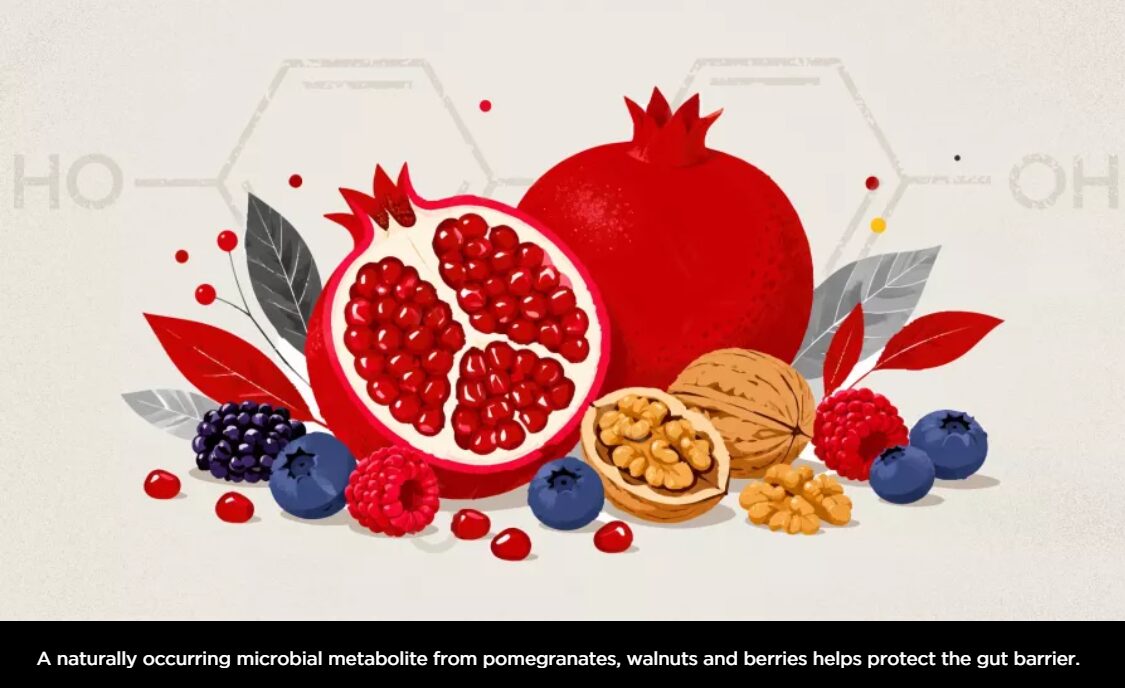
Scientists unlock gut-healing power of fruits and nuts paired with the right gut microbes

University of Louisville researchers have discovered how a naturally occurring microbial compound may help protect the gut and support future treatment strategies for inflammatory bowel disease (IBD).

IBD, which includes conditions such as Crohn’s disease and ulcerative colitis, affects millions of people worldwide. The disease is characterized by chronic inflammation and damage to the intestinal lining. A healthy gut barrier helps keep harmful bacteria from leaking out of the intestines while allowing nutrients to enter the body. In people with IBD, that barrier becomes weakened, leading to inflammation, pain and long-term complications.

A research team led by Venkatakrishna Rao Jala, associate professor in the Department of Microbiology and Immunology and UofL’s Brown Cancer C...

Read More
Rebalancing the Gut: How AI Solved a 25-Year Crohn’s Disease Mystery

Graphic of macrophages
Electron micrographs show how macrophages expressing girdin neutralize pathogens by fusing phagosomes (P) with the cell’s lysosomes (L) to form phagolysosomes (PL), compartments where pathogens and cellular debris are broken down (left). This process is crucial for maintaining cellular homeostasis. In the absence of girdin, this fusion fails, allowing pathogens to evade degradation and escape neutralization (right). (UC San Diego Health Sciences)

AI uncovers how a severed bond between two gut proteins sparks Crohn’s disease, and how restoring it could heal inflammation. UC San Diego researchers combined artificial intelligence with molecular biology to unravel how immune cells in the gut decide between inflammation and healing, a process gone awry in Crohn’s disease...

Read More

New Potential Therapy for Crohn’s disease in Children

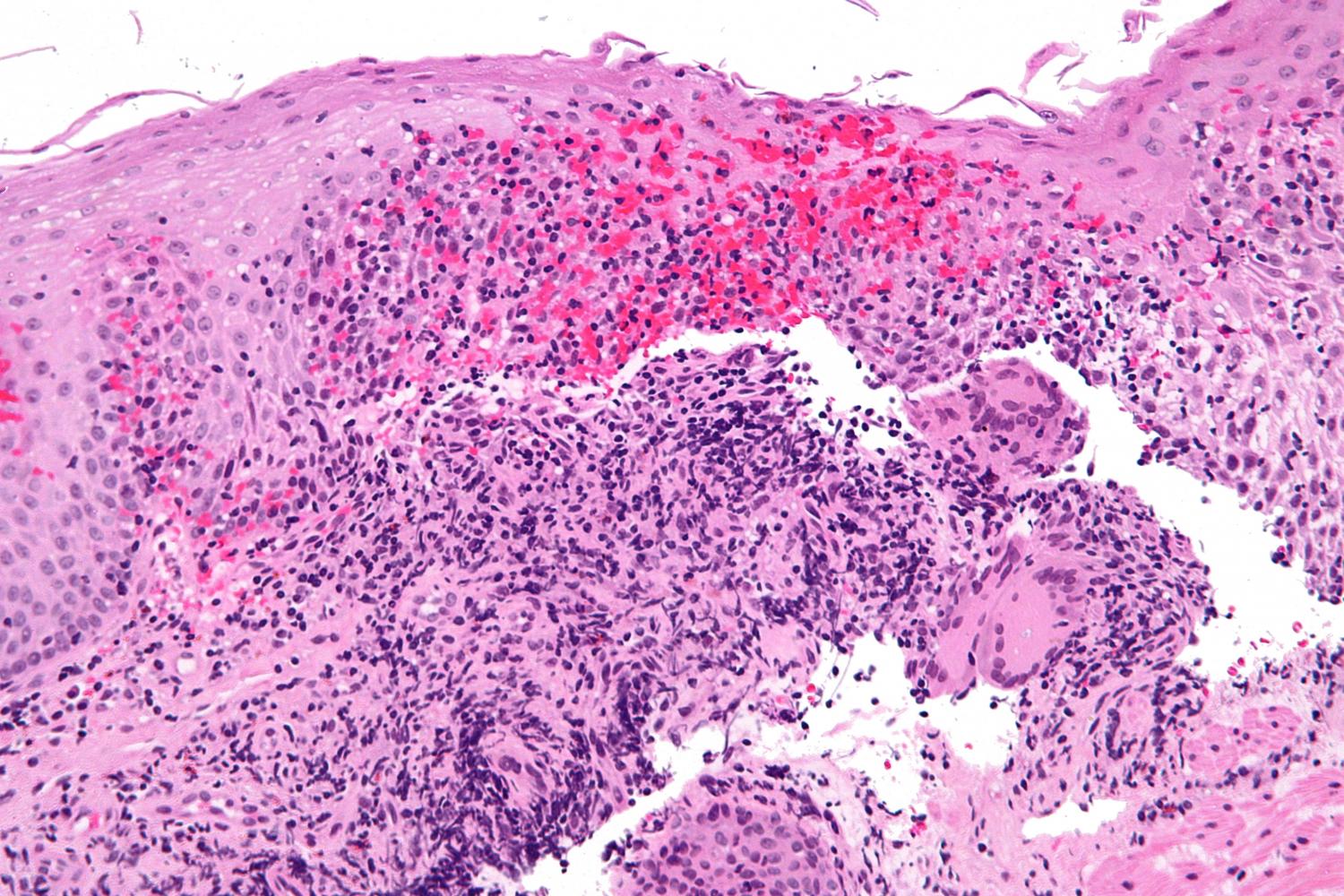
High magnification micrograph of Crohn’s disease. Biopsy of esophagus. H&E stain. Credit: Nephron/Wikipedia

Scientists from the Stanley Manne Children’s Research Institute at Ann & Robert H. Lurie Children’s Hospital of Chicago demonstrated that a nanotherapy reduces intestinal inflammation and shrinks lesions in a rodent model of severe Crohn’s disease. This approach could become an alternative to biologic antibody therapies that carry many side effects, including increased risk of certain cancers. It might also prevent the need for surgery in the future. Findings were published in the journal Advanced Therapeutics.

Crohn’s disease is an inflammatory bowel disease characterized by chronic inflammation of the digestive tract, most often in the small intestine...

Read More

Evidence found of Oral Bacteria contributing to Bowel Disorders

oral

Koji Atarashi et al. Ectopic colonization of oral bacteria in the intestine drives TH1 cell induction and inflammation, Science (2017). DOI: 10.1126/science.aan4526 Credit: CC0 Public Domain

An international team has found evidence that suggests certain types of oral bacteria may cause or exacerbate bowel disorders. In their paper published in the journal Science, the group describes testing the impact of introducing bacteria found in the mouths of humans to mice models. Xuetao Cao with the Chinese Academy of Medical Sciences offers a Perspective piece on the work done by the team in the same journal issue and suggests that the work might one day lead to the development of new kinds of treatments for common bowel disorders.

Bowel disorders such as irritable bowel syndrome, IBS, ulcerative ...

Read More