



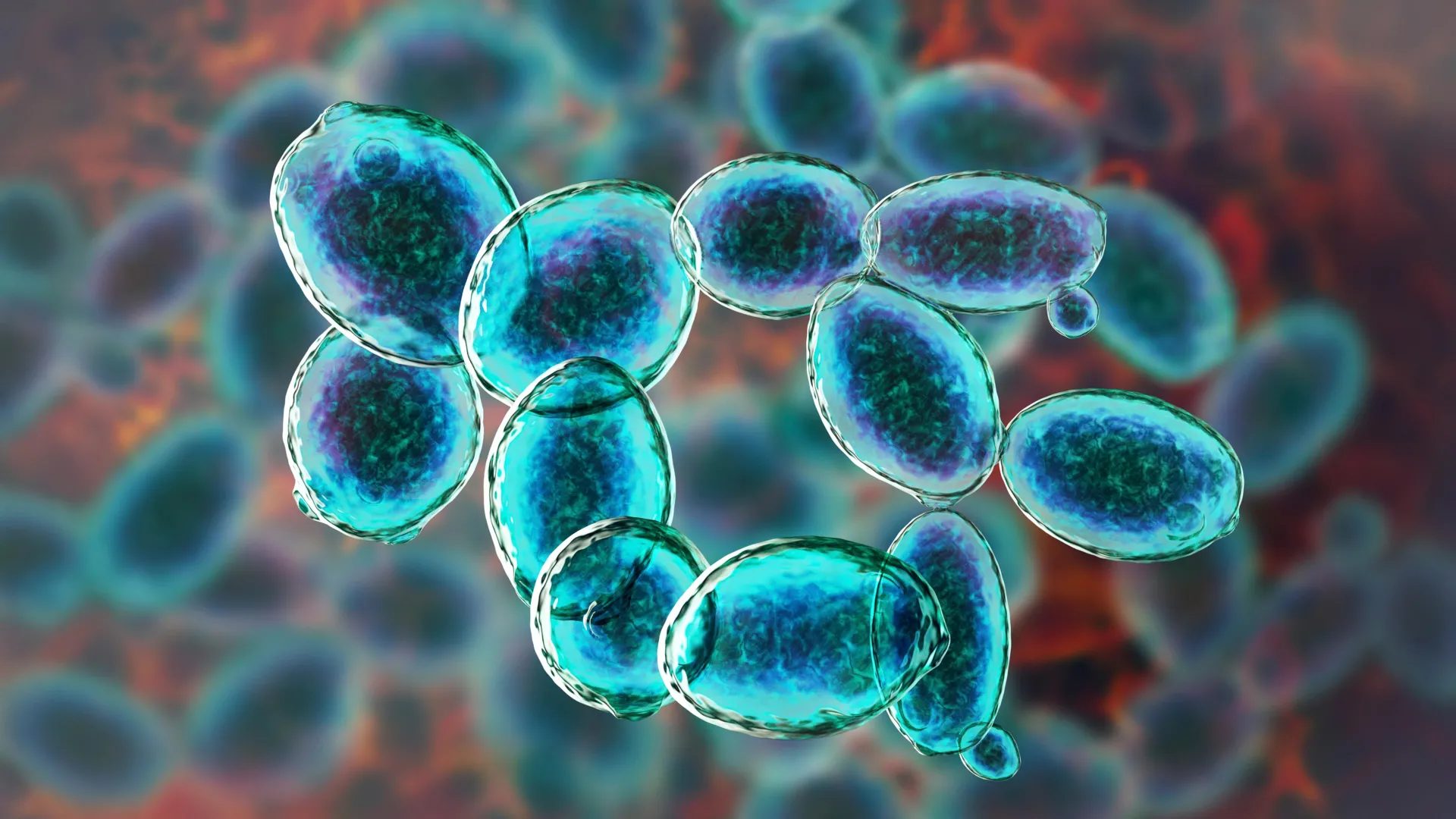
Baker’s yeast (Saccharomyces cerevisiae) is best known for its role in baking, brewing, and modern biotechnology. Yet this everyday microorganism may also offer insight into a far bigger question: how life might endure the extreme conditions found beyond Earth.
Researchers from the Department of Biochemistry (BC) at the Indian Institute of Science (IISc), working with collaborators at the Physical Research Laboratory (PRL) in Ahmedabad, have discovered that yeast can survive environmental stresses similar to those on Mars. Their findings suggest that even simple life forms may be more resilient to extraterrestrial conditions than previously assumed.
Simulating Mars With Shock Waves and Toxic Soil
To test yeast survival, the research team subjected living cells to intense physical and chemical stress. The experiments included exposure to powerful shock waves comparable to those created by meteorite impacts on Mars, as well as perchlorate salts, which are toxic compounds known to exist in Martian soil.
The shock waves were generated using a High-Intensity Shock Tube for Astrochemistry (HISTA) located in Bhalamurugan Sivaraman’s laboratory at PRL. These waves reached speeds of up to Mach 5.6. In addition, yeast cells were treated with 100 mM sodium perchlorate, either on its own or combined with shock wave exposure.
Overcoming Experimental Challenges
Setting up the experiments posed major technical difficulties. According to the researchers, exposing live yeast cells to shock waves at this intensity had never been done before.
“One of the biggest hurdles was setting up the HISTA tube to expose live yeast cells to shock waves — something that has not been attempted before — and ]asnexus/pgaf300/8285101
https://www.sciencedaily.com/releases/2026/02/260208233821.htm



Recent Comments